Author: Admin account

  • New Life at Living Light of Peace

    New Life at Living Light of Peace


    An idea germinated within our congregation when we received a newsletter from Mennonite Men highlighting their JoinTrees campaign with a goal of planting 1 million trees by 2030. That spring challenge came about the same time that our congregation began our annual search for someone to mow our 1.5 acres consisting of mostly weeds. And it came as the reality of climate change hit closer to home with increasing temperatures and wildfires consuming entire neighborhoods in nearby cities. We wondered if our congregation could use our small plot of land to benefit our community.

    Our pastor reached out for more information from the US Coordinator of Mennonite Men, Steve Thomas. Steve encouraged us to be in contact with local experts to determine what trees would grow best in our Colorado climate. He suggested also planting a variety of climate-appropriate shrubs and flowers. And he reminded us that volunteers from the community are often available to help with a new project.


    We began to envision how our 1.5 acres could be an oasis in our Denver suburb of Arvada. We used our monthly potlucks as forums for brainstorming: planting trees, wildflowers and herbs, installing beehives, expanding our current community garden, creating walkways, maybe even developing a solar farm. Instead of an annual headache, our yard became a source of dreams.


    Of course there were voices of caution. We’re a small, older congregation. Do we have the energy to take on an ambitious project? Who will do the initial work and who will provide continuing care? As it turned out, the experts and the volunteers we needed were already onsite!


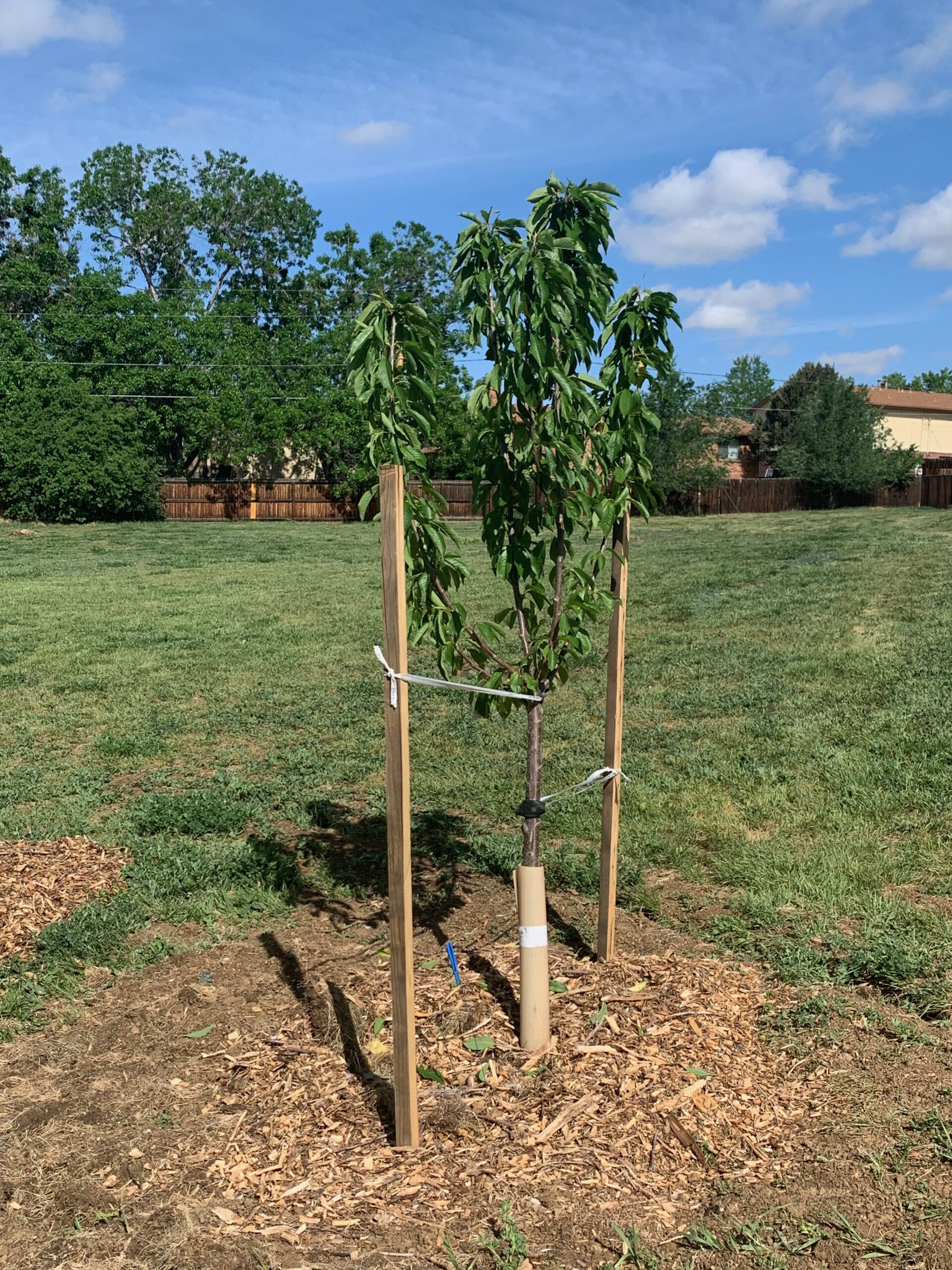
    For many years there has been a community garden managed by Denver Urban Gardens (DUG) on a portion of our land. We learned that they were eager to expand that garden with their Food Forest Initiative.** Staff members facilitated a neighborhood meeting, complete with a translator, for our mostly Russian and Ukrainian neighbors. Many of these families already have plots in our community garden. We learned that they especially wanted sour cherry trees. Last spring DUG volunteers planted twenty trees and assorted bushes adjacent to the garden. They are providing the initial care for the trees and have identified volunteers in the neighborhood for continuing care. In a few years our orchard will provide our neighbors with apples, peaches, pears, and hazelnuts in addition to sour cherries. Any extra produce will be donated to the local food bank and a nearby day shelter.


    We are happy to add our first twenty trees to the 90,000 that Mennonite Men will have planted by the end of this year, on their way to 1 million by 2030. And this is only the beginning of our land transformation! We still have room for wildflowers, herbs, beehives, and more trees. Hopefully, each year will bring an expansion of climate-friendly uses.


    For more information about the JoinTrees program of Mennonite Men, visit https://mennonitemen.org/jointrees.


  • After two years, grant provides energy, connection

    After two years, grant provides energy, connection


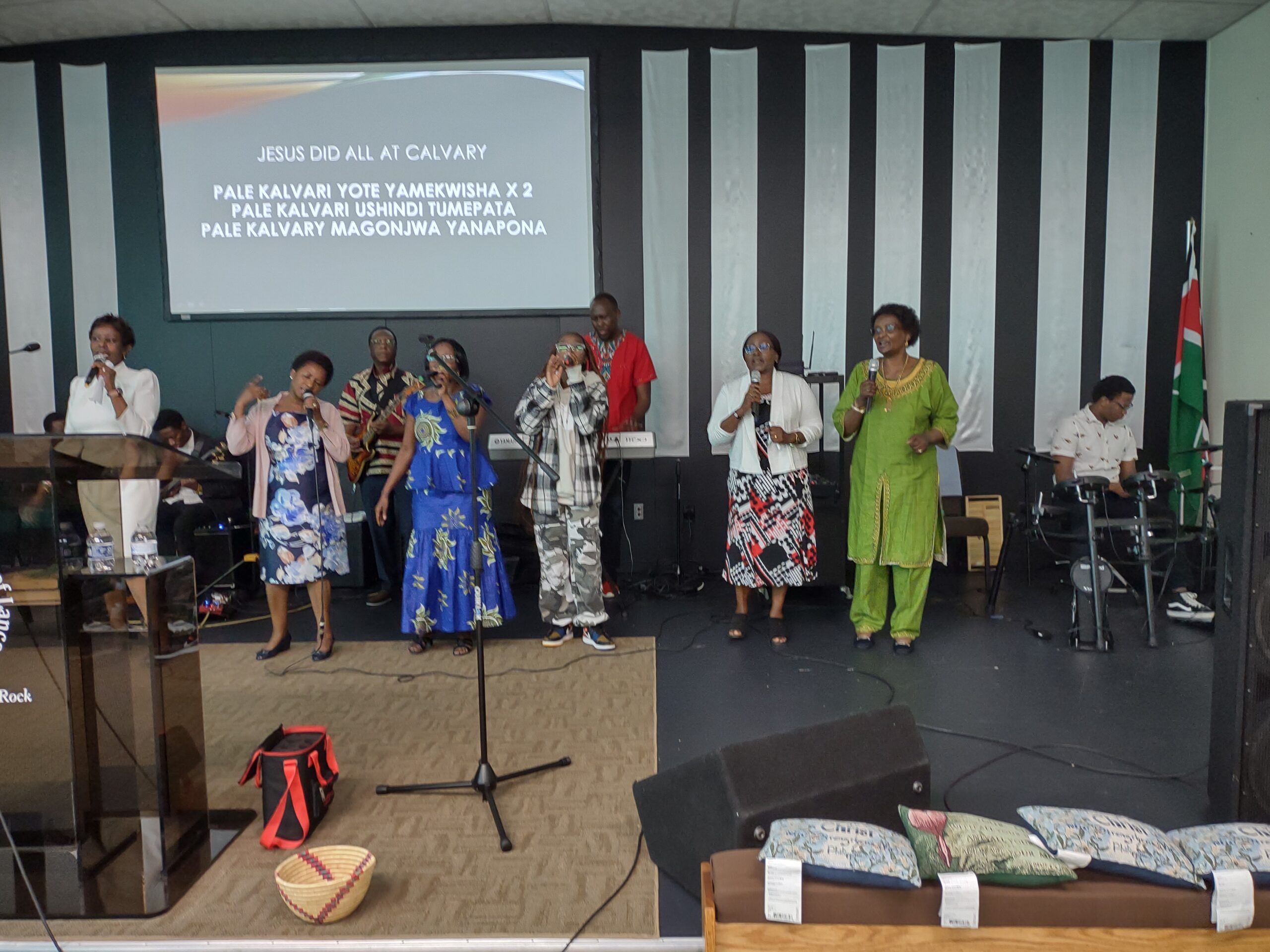
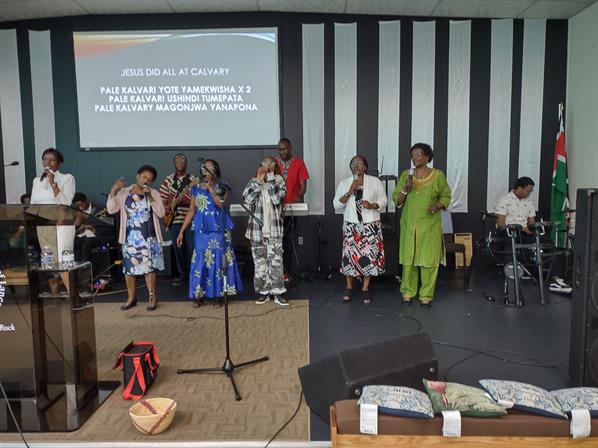
    Two years after a JoinMen grant helped purchase their first church building, African Community Church of Lancaster (ACCL) is thriving with a renewed sense of vision and connection to the broader Mennonite Church.

    After nearly 15 years of saving and praying, the congregation purchased its first building in Manheim, Pennsylvania in 2020. A $40,000 grant from Mennonite Men’s JoinHands program helped complete the long journey towards the dream of ownership at a critical time in the congregation’s story. ‘We were in a desperate mood,’ recalled Sam Wanjau, pastor of ACCL. Having just purchased the new building, ‘we learned that the parking lot was not drivable and the boiler nearly dead.’ The JoinHands grant, along with two other private gifts, helped the congregation purchase the building without debt and took care of these two major projects. ACCL finally had a home of its own after years of prayer and preparation.

    The financial assistance gave the small congregation a sense of belonging within the broader Mennonite community. As a congregation made up of primarily East African immigrants, many questioned whether they were a valued part of the local faith community. ‘We felt very isolated and some of us wondered whether we made the right choice in coming to the United States,’ said Pastor Wanjau. ‘Having a friend who could support us with no expectations, who we could turn to in desperation, showed us that maybe the cultural and relational barriers aren’t so great as we feared.’

    Church ownership has also given a boost to ACCL’s sense of mission and purpose. A new energy and commitment to their various projects followed their move and resulted in a new level of financial flexibility and freedom to creatively explore new ministry. ACCL now supports four church plants and their associated ministries in East Africa along with their local commitments to organizations like Water Street Rescue Mission. They also serve as a soft landing place for other East African immigrants who arrive in Lancaster before transitioning to other parts of the country.

    Support from Mennonite Men and other groups and individuals within Mennonite Church USA and Atlantic Coast Conference helped bridge a feeling of isolation felt by the immigrant congregation and contributed to their thriving and growing ministry in their community and beyond.

    If your congregation is a Mennonite congregation that is 10 years old or less and is looking to acquire its first building, you can find out more about the JoinHands program at mennonitemen.org/joinhands.


  • Mennonite Men to release guide for healthy conversation

    Mennonite Men to release guide for healthy conversation


    Mennonite Men has released a new book with Herald Press, Living that Matters: Honest Conversations for Men of Faith.

    The book was written by Steve Thomas and Don Neufeld, Coordinators for Mennonite Men USA and Canada, respectively, as a guide for men. It can be used by individuals or groups, but is intended to lead conversation and reflection on 70 topics mapped into seven sections: male formation, human needs, personal challenges, sexual wholeness, social practices, conflict tools, and life roles. These short reflections pose over 300 questions for conversation to help take men to new levels of relating and reflecting.


    Steve Thomas, US Coordinator for Mennonite Men and coauthor of the new book, has learned through working with men’s groups that ‘men are looking for a good, practical guidebook to jump start discussions to deepen their relationships. Our new book is meant to meet this need. Its unique, user-friendly format with short, two-page spreads and discussion questions provide an easy way to hold meaningful conversations with one another about the stuff of life from an Anabaptist faith perspective.’


    After originally seeking to self-publish the book as Strong, Loving, and Wise this year, Mennonite Men instead invited collaboration with Herald Press which will publish the book under the new name. Said Thomas of the project’s timeframe, ‘While we regret the delay, we are grateful that Herald Press will publish this and extend our reach with our practical handbook for men and groups.’ Look for samples from the book and more details in the coming months.


  • Local farmers participate in huge reforestation project in Guatemala

    Local farmers participate in huge reforestation project in Guatemala

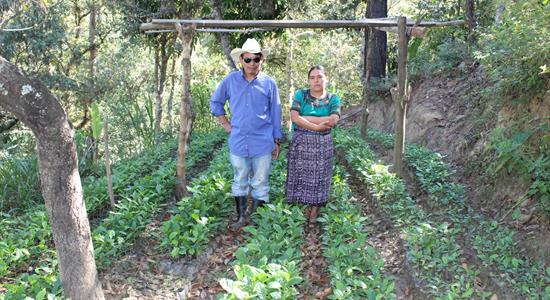
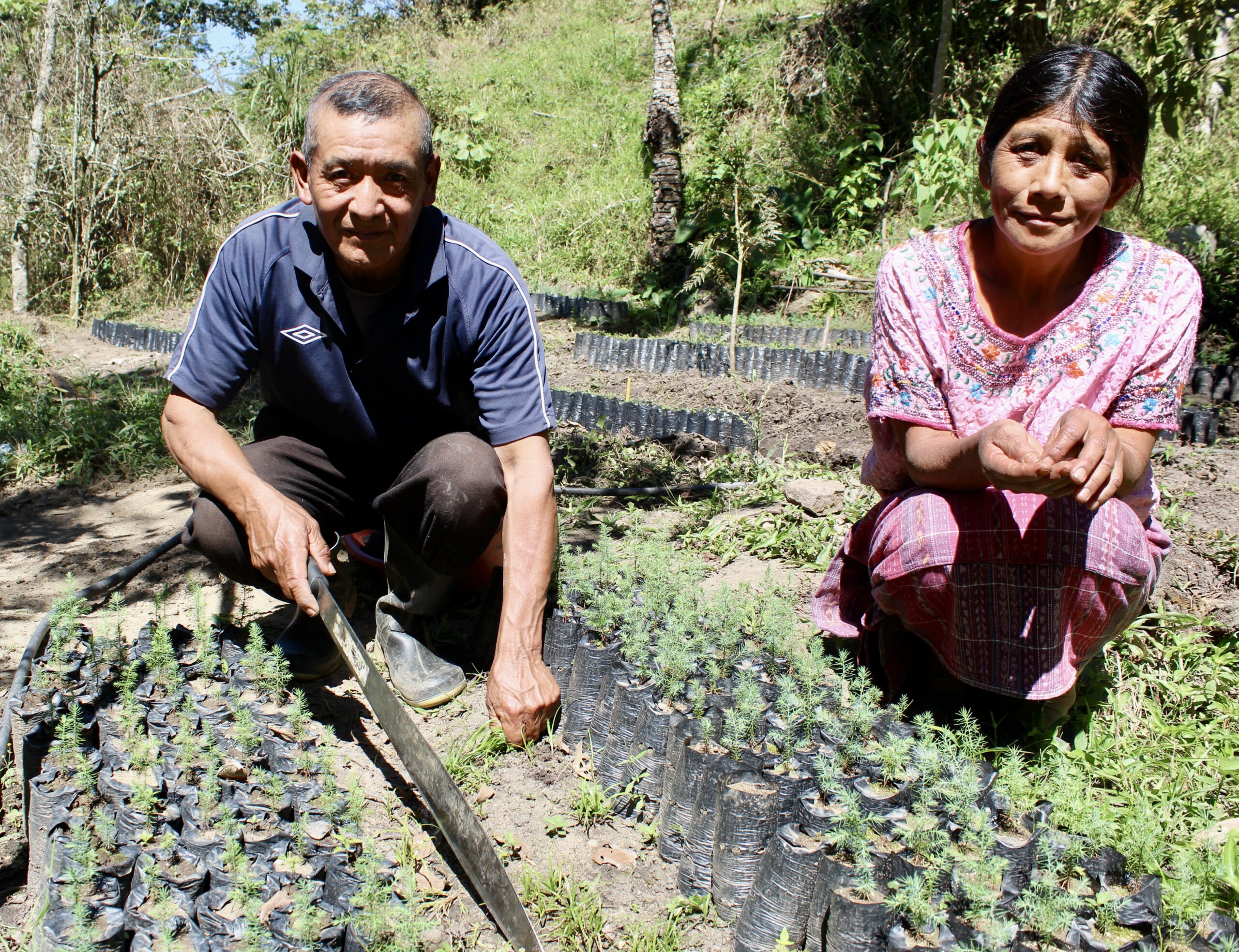
    Don Antonio and Doña Hermelinda are farmers from the village of Patzocon, in Baja Verapaz, Guatemala. Antonio, 45 years old, and his wife Hermelinda, 37 years old, have created a farm` growing a wide diversity of crops which gives them food for their daily consumption. They are the father and mother of 5 children for whom they have been able to provide care through their hard work. Their goal has been that their children do not grow up in the same conditions of scarcity in which they lived years ago.

    Don Antonio is the oldest of his siblings. He only remembers growing up with his mother, since his father died when he was just four years old. He remembers that his mother did not have the economic resources to allow him to go to school, although his greatest desire when he was a child was to study.


    At the age of 7, he helped with the chores around the house, and on some days he worked as a day laborer in the corn fields of the neighbors’ farms near his home. When Antonio reached the age of 9 years, he had to begin migrating to work in the coffee plantations of the south coast of Guatemala to be able to help support his mother and younger siblings. His job consisted of using a machete to cut the weeds around the coffee trees, and in the months of the coffee harvest he picked coffee. In addition, he was entrusted with other jobs such as fertilizing the coffee trees and cutting pacaya (an edible palm). For 10 years he made regular trips to the coffee plantations, his only company being the group of day laborers from his own community. He mentions with a discouraged voice ‘going to the coffee plantations was good because one got to know other places, but at the same time, one hardly earned anything, one always ate very little and we didn’t sleep well…. The salary was not fair, because the plantation owners only paid what they wanted to pay you’. However, Antonio is more encouraged now because he and his wife can work their own improved farm growing a diversity of crops. This has permitted them to be able to experiment with the planting of a wide variety of vegetables, grains and fruits which has improved the profitability for their family farm. Additionally, because he doesn’t need to migrate to the plantations for work, he has more time to be with his family.


    However, Don Antonio and Doña Hermelinda face a problem that plagues their community: the deforestation of the forests that surround their village of Patzocón. For several years, the commercialization of wood has been a means of subsistence for many local families, who have no other cash income for their necessities. However, the logging problem increased drastically when a new access road was built, which made illegal logging by companies much easier. Antonio and Hermelinda expressed concern that they see that the streams where there used to be sufficient water have now diminished considerably, to the point that in the dry season, some water sources have dried up completely. This situation has affected many of the crops on their farm, including the corn and beans, because they used the water from these streams for a miniirrigation system. Antonio continues to grow some sugar cane to make panela, using a traditional method taught him by his grandfather. It is a special brown sugar used to sweeten coffee and other drinks. For years they have used the streams of the village to supply water to the sugarcane. However, now he is planting less sugarcane due to the lack of water. Selling the various sweets that they made from sugarcane in the local markets has been a source of cash income for the family.

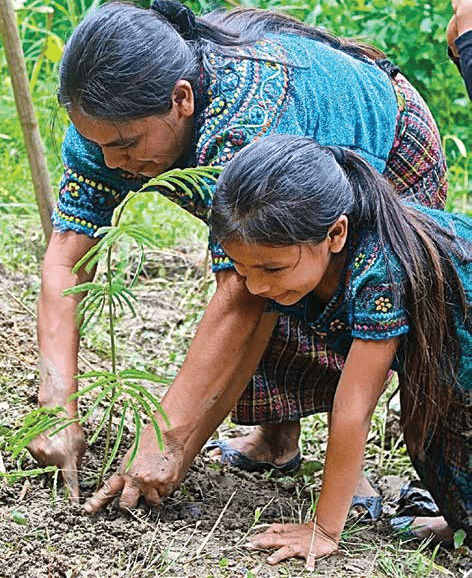
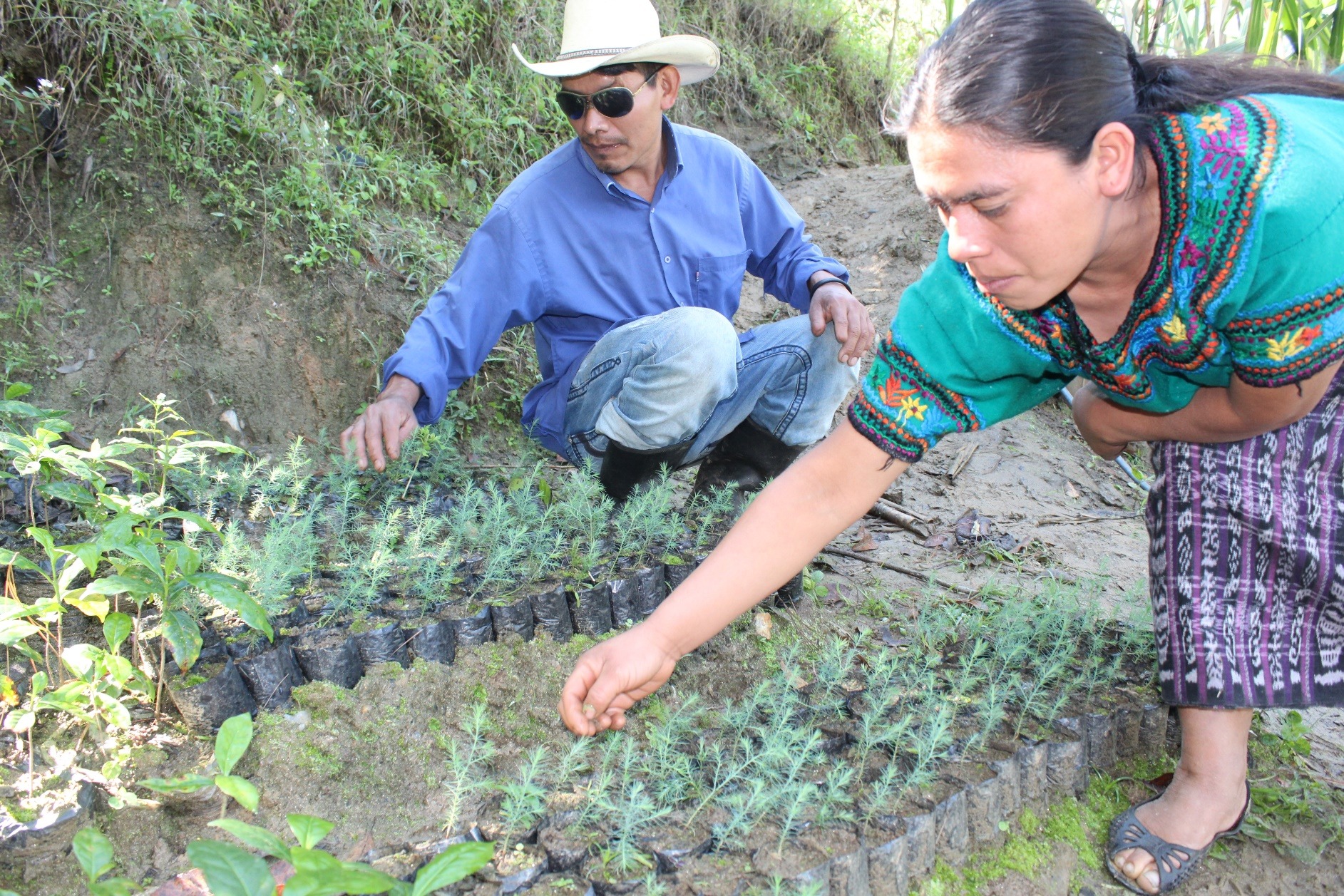
    In early 2022, Don ‘Tono’, as he is affectionately called in his village, together with Doña Hermelinda and their children, created a forest tree nursery to replant the deforested areas surrounding their community. This year they intended to plant 5,000 forest trees of different varieties, among them: cypress, jacaranda, cuje, and pine. With the participation of their neighbors, the technical assistance of the Baja Verapaz Program, and the collaboration of EPIC and Mennonite Men, they are working to achieve their goal of rebuilding the plant life and ecosystem of their village. They state that the fruit of what they are now cultivating will be seen in the future, benefiting their children and grandchildren who will be able to take advantage of the effort they are making today.


    The work of Don Antonio and Doña Hermelinda is only part of the reforestation project being organized by EPIC and the Baja Verapaz Sustainable Agriculture Health Education Program. Their goal for this year was to plant 20,000 trees with assistance from a JoinTrees grant from Mennonite Men. Epic recently reported that they were able to greatly exceed this goal by planting 35,385 trees this year, with the help of local communities and families.


  • Church renovation tithes offer opportunity to help other congregations build

    Church renovation tithes offer opportunity to help other congregations build

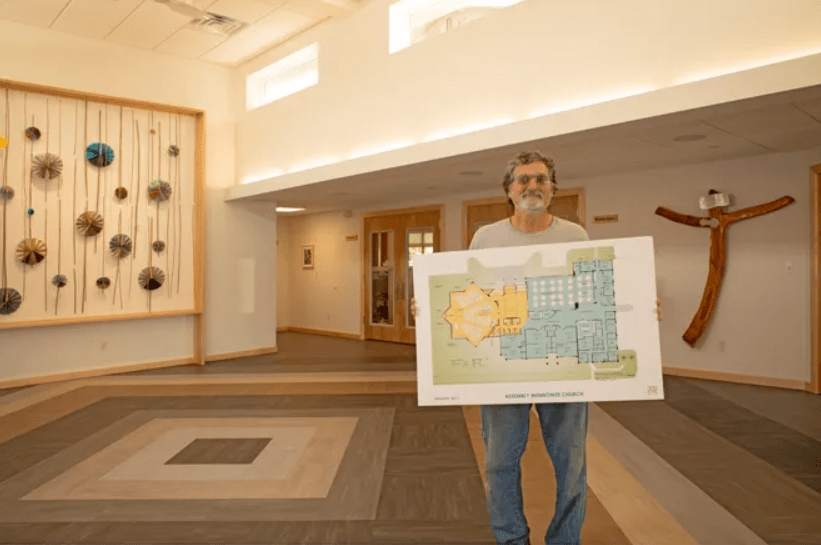
    In 2019, Assembly Mennonite Church in Goshen, IN completed a building expansion project to meet the needs of their growing congregation. Early in the project, the congregation decided to tithe a portion of the funds being spent on the project to JoinHands, a program of Mennonite Men that assists congregations build or buy their first place of worship.


    ‘We feel it’s the right thing to do, for more established congregations to help the newer ones,’ said Steve Thomas, U.S. Coordinator for Mennonite Men. As a result, the tithe benefited Mara Christian Church, a growing congregation composed mostly of people who moved to the U.S. from Myanmar (formerly Burma), now owns the church building it had rented. The JoinHands grant the church received made that transformation possible.


    Members of the North Carolina congregation are ‘thinking about their lives as people of God. The spiritual vitality there is good for others to see,’ Thomas said. He added that Mara Christian Church members invested a good deal of ‘sweat equity’ in renovating the church building it purchased. Those who receive JoinHands grants ‘often are people without a history of power and privilege,’ Thomas said. ‘Often, they’re people coming from a situation of real need.’

    Assembly Mennonite made the decision to think beyond themselves during the building project out of their understanding of financial stewardship. The congregation had earlier received a church loan from Everence that was aimed at aiding younger churches, so members of the congregation felt it important to pass on that benefit now that their congregation had reached a level of maturity.


    Mennonite Men invites other established congregations to consider sharing a portion of building project expenses with newer congregations through the JoinHands program. More details can be found at https://mennonitemen.org/joinhands.


  • Guatemalan Couple contribute to reforestation

    Guatemalan Couple contribute to reforestation

    JoinTrees has formed a partnership with the Guatemalan non-profit FUNDAMARCOS, legalized 1996. The Baja Verapaz Sustainable Agriculture and Health Education Program of FUNDAMARCOS has taken on the commitment to plant 20,000 forest trees in cooperation with Mennonite Men-JoinTrees. Because of this program’s excellent track record of working in reforestation, a regional government nursery will provide 10,000 small trees (2+ feet tall) for the project.

    To arrive at the goal of planting 20,000 trees, the Baja Verapaz Program has recruited two families who will each grow 5,000 trees from seed in tree nurseries on their farms. These two families have been selected for their leadership in their communities, which will be essential for organizing the members of their communities to actually carry the small trees to the mountainsides, dig the holes, and plant the trees at the beginning of the rainy season, a busy time for farmers but important for the long-term success of the transplanted trees.

    The following stories describe one of these couples. Join Trees pays for all the motivation, organization, and instruction involved between a tree seed and getting 20,000 small trees planted on the hillsides of Cubulco, a deforested mountainous region of Guatemala. It also pays the transportation costs of taking trees from the government nursery and distributing them in many remote villages.

    Armando Tomás, Baja Verapaz Program director, interviewed Miguel and Manuela for these personal stories. Click the link below to read more about Manuela and Miguel

    Manuela Avila Velasquez

    Miguel Rodriguez Hernandez


  • Two international church-building grants approved

    Two international church-building grants approved


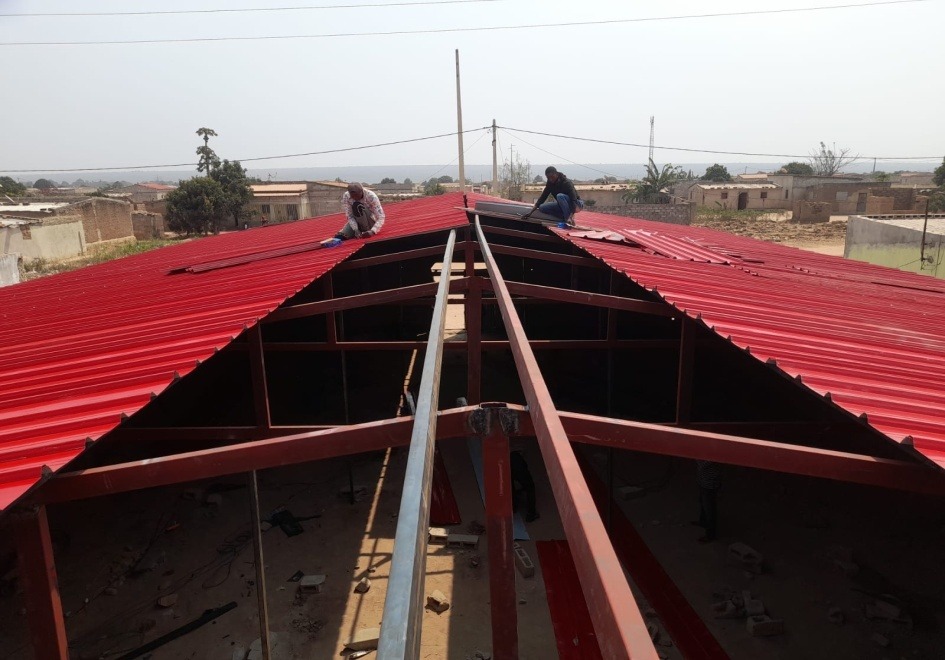
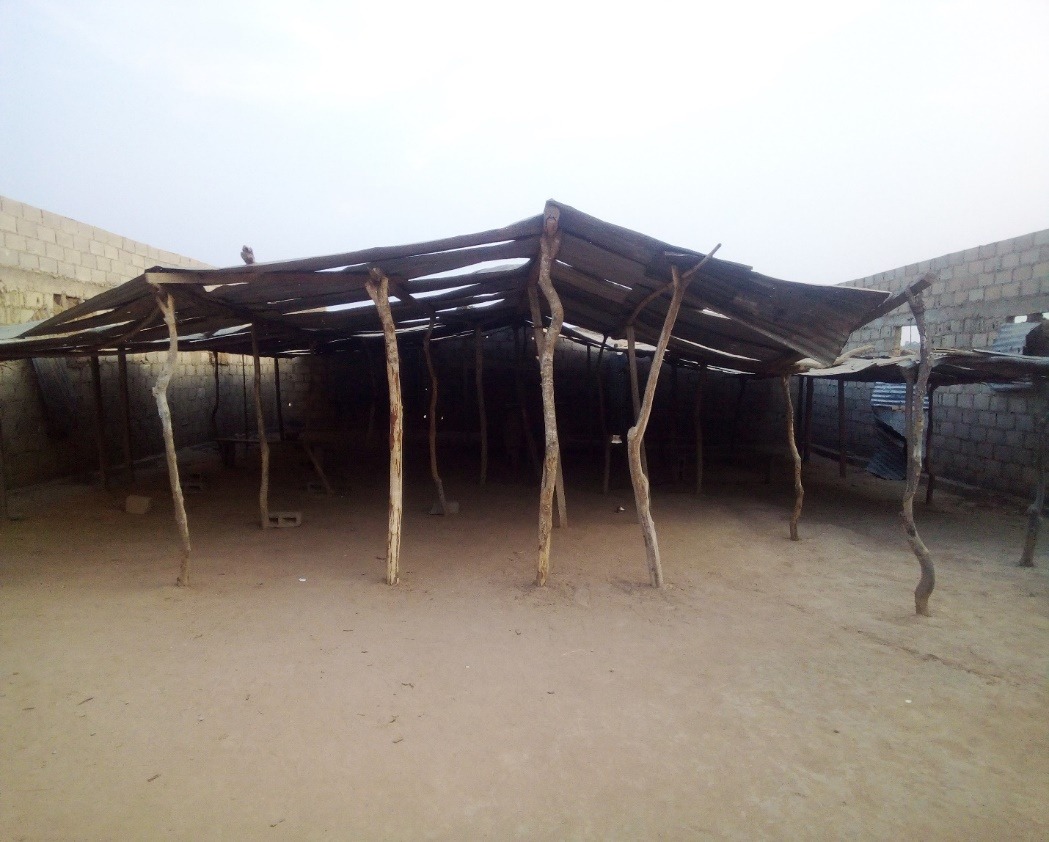
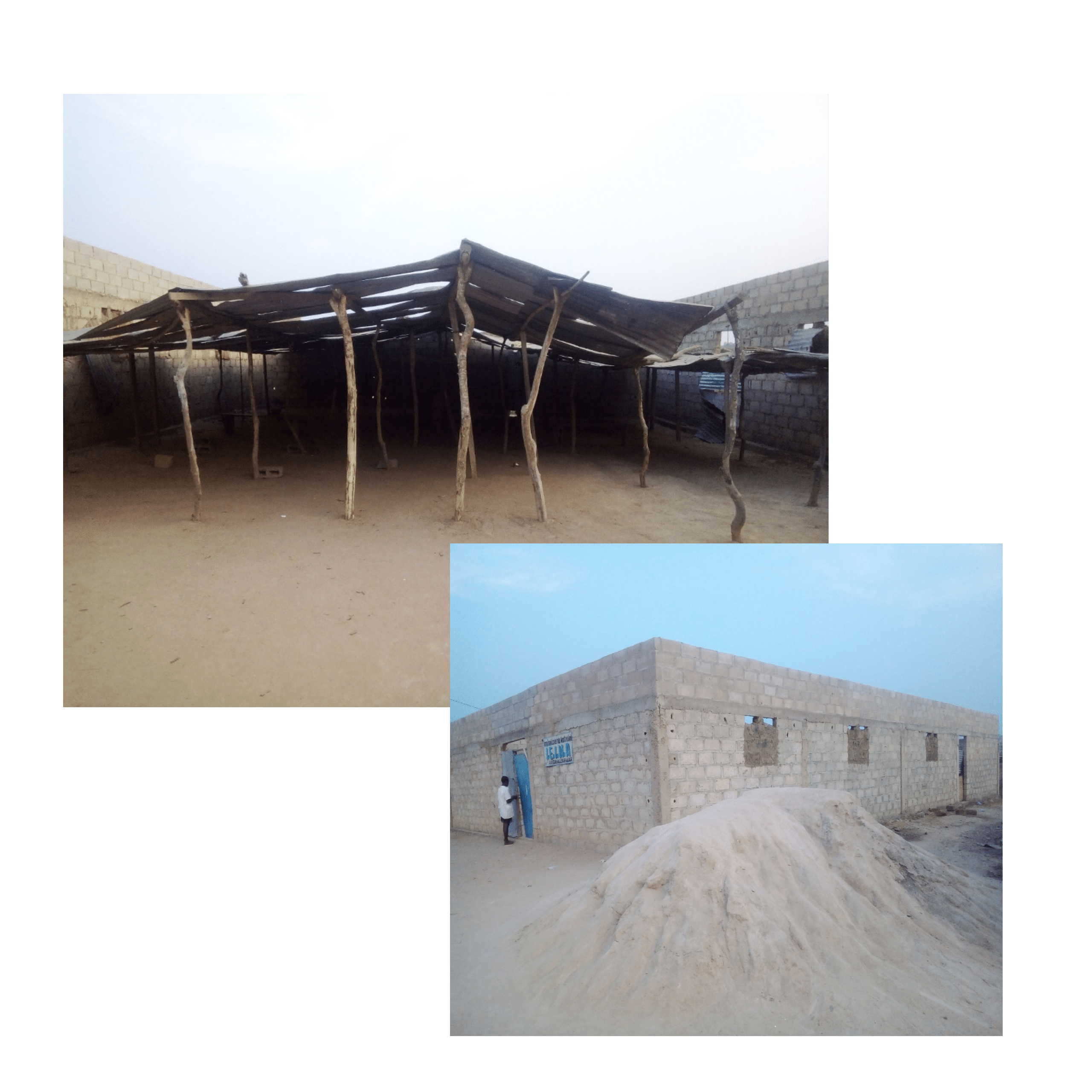
    At its March meeting the board of Mennonite Men approved two international grants for applicants to the JoinHands program, which assists new congregations aquire their first church building. The two grants were awarded to congregations in Angola and the Democratic Republic of Congo.

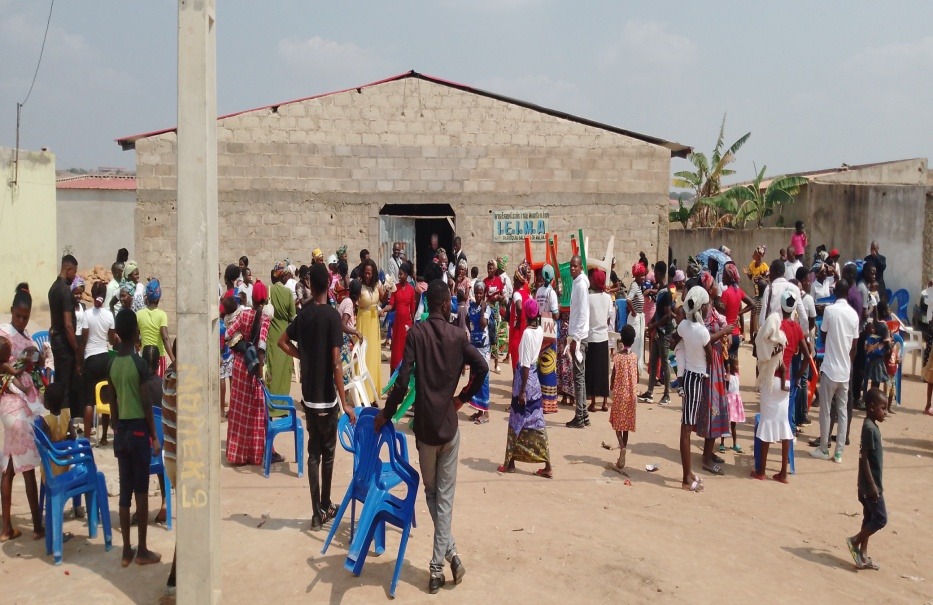
    Fundraising for the two projects, with a combined cost of $14,000, will begin this summer. Contributions of $10,000 will assist the congregation in Angola construct a roof for their unfinished building (pictured). This group currently meets inside their church walls under a temporary roof.

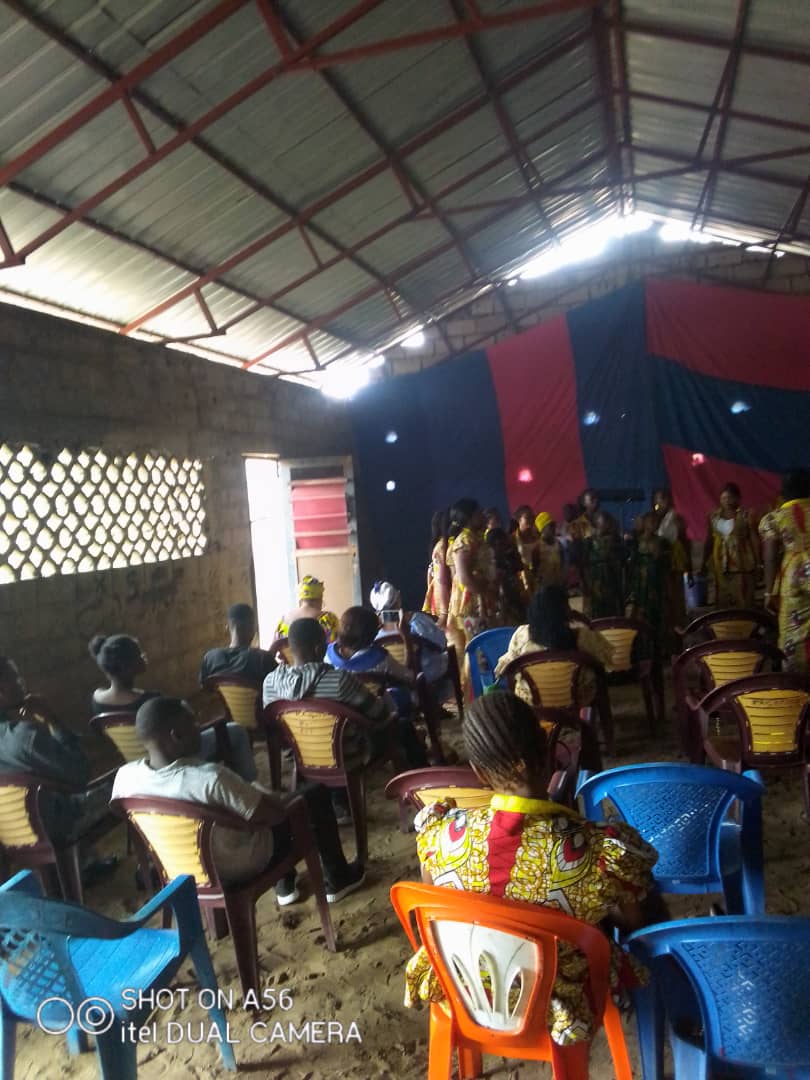
    $4,000 will complete the construction of a church building in Kinshasa DR Congo. Members of the congregation in Kinshasa continue to meet for worship in an airport hangar until they complete their building.

    Mennonite Men continues to raise funds for the grant approved in 2021 for Hmong Mennonite Church in Westminster Colorado. Approved grants are awarded to congregational projects once the full amount has been raised. For more information on contributing to or applying for a JoinHands grant, visit mennonitemen.org/joinhands


  • Planting for an Outdoor Sanctuary

    Planting for an Outdoor Sanctuary

    ​The JoinTrees project of Taftsville Chapel Mennonite Fellowship


    On May 7th, Green Up Day Vermont, members of Taftsville Chapel Mennonite Fellowship in Taftsville, Vermont turned out for a tree planting project on church grounds, transforming lawn into an edible forest garden. Thirty fruit and nut trees and shrubs were planted on this initial work day plus a row of raspberries. Mennonite Men’s Join Trees initiative supported the project with a grant which provided a financial contribution towards each tree planted. Additional grant support was awarded from the Green Mustard Seed Fund administered by the Mennonite Creation Care Network. Without a line item in the annual church budget, grant funding was critical to bring vision to reality.


    Taftsville Chapel had established 4 permaculture gardens in 2017 (shade garden, pollinator garden, apple guild, and blueberry row) and were thinking about expanding when they heard about the JoinTrees project. A focus group from the congregation was engaged with Andrew Hudson, an AMBS divinity student and intern with JoinTrees, around how churches relate to land. Conversations with Andrew were thought provoking and evoked desires around the church land.

    ‘We saw an opportunity to rewild our property with native plantings that provide hospitality to all God’s creation, human and other species alike,’ reports Heather Wolfe, the church’s creation care liaison. ‘Less lawn means less mowing. More native plants mean more habitat and food. Planting a mini orchard of fruit and nuts will create an edible forest garden that honors what the land wants to naturally be while providing sustenance so all creation can flourish,’ she adds.

    At the same time as the congregation became aware of the JoinTrees initiative, they also learned of the Rewild Vermont campaign sponsored by 350Vermont to plant 100 thousand trees across their state by the end of this year. With their one tree planting project, Taftsville Chapel was able to participate in both JoinTrees and Rewild Vermont initiatives. As a result of the forest garden expansion, Taftsville Chapel has applied to be part of the Sacred Grounds program

    through the National Wildlife Federation (NWF). Earlier this spring they became a certified wildlife habitat through the NWF. As part of this designation the children helped to install a birdhouse on the church land for Earth month and are delighted that a bluebird is nesting in it! The newly planted trees and shrubs are largely native plants that will provide food, cover, and places to raise young for wildlife.


    The way the planting area was designed, as the trees grow, the space will increasingly feel like an outdoor sanctuary. Taftsville Chapel also hopes that neighbors will feel welcome to come enjoy this green space within the residential hamlet. They have added a picnic table and bench to encourage human visitors to stop and enjoy the space, to be still and know God the Creator by immersing themselves in creation.


    The JoinTrees campaign of Mennonite Men aims to target climate change by planting one million trees by 2030. Learn more about the campaign and grants available at mennonitemen.org/jointrees or send a report and photos of your own tree planting project to info@mennonitemen.org. The vision of the JoinTrees campaign is a healthy, thriving planet where God’s abundant life of shalom is enjoyed by all from generation to generation.


  • Planting trees is a form of Christian stewardship

    Planting trees is a form of Christian stewardship


    The Bible begins and ends by featuring trees of life and reveals the essential place trees inhabit on the earth and their roles, both in the ecosystems of God’s creation and in the lives of its people.


    Jewish teachings carry on this theme. A Jewish midrash, or proverb, states that after God made the first human, God led the human creature around all the trees of the Garden of Eden and said, ‘See My works, how beautiful and praiseworthy they are …Be careful not to spoil or destroy My world – for if you do, there will be nobody after you to repair it.’ Another Jewish teaching says if people claim the world is ending and the Messiah has come, first plant a tree, and then see if the story is true.

    We plant trees because they have environmental, social, and spiritual benefits. Trees capture carbon and slow the warming of the earth. They cool the land and preserve it from erosion, thereby making it a hospitable place for the other beings of God’s creation to live and thrive. The point our eyes heavenward and remind us of the goodness that God proclaimed over all that he had made.


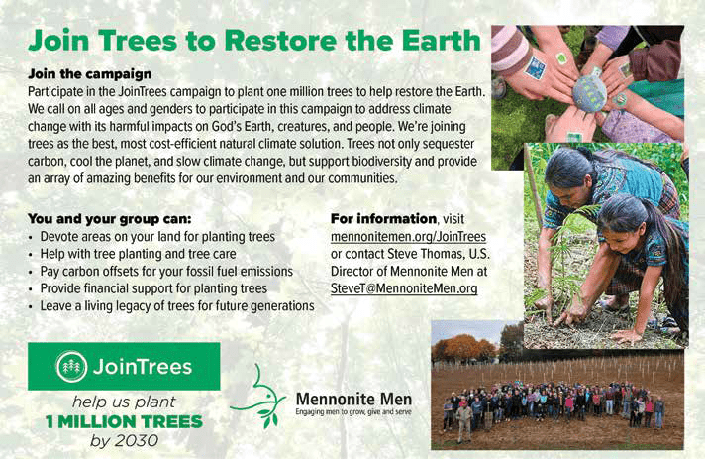
    In a time of ecological crisis that can feel overwhelming, we can find hope and resilience in the simple act of planting trees. The JoinTrees program of Mennonite Men has assisted many communities across the U.S., and Central America take part in this simple act of healing that begins to restore our connection to the land as individuals and as communities. Since September of 2020 when we launched our JoinTrees campaing, 54,920 trees have been planted with funding for another 32,316 approved in March.


    Visit mennonitemen.org/jointrees to read these stories and to join Mennonite Men’s campaign to plant one million trees by 2030.


  • Brazilian pastor shares a letter as church building nears completion

    Brazilian pastor shares a letter as church building nears completion

    ​Grace and peace to all beloved brothers and sisters, God bless you mightily.


    The Mennonite Church of Vila Virginia – Ribeirão Preto SP – Brazil is completing 56 years and seeking to serve the Lord in what we understand is the mission of the Church, PREACH THE GOSPEL. In 2019, after praying and understanding that it was the will of the Lord, we acquired land in a new neighborhood with 7,800 houses and 30,000 residents, 20 km away from the church to plant a new church, Igreja Evangélica Vida Nova. By faith we bought the land in 120 months installments.


    We started the work in a collapsible tent on the sidewalk of the land, then in November 2020 we acquired a fixed tent where we had our worship until in September 2021 a gale destroyed the tent. We didn’t stop the services, we reconvened in the little tent we had started.


    With the money received from the Mennonite Men ($10,000 – R$50,000) we started the construction of the new church building. This week we are finishing the basics and are already using the new church building. The total cost of the work was R$120,000, we received donations, sold pizza, feijoada (delicious stew made with beans), lasagna and held two bazaars. We are closing this part of the construction with a deficit of R$12,000 reais, which we are paying in installments. We are planning to create a facade for the front of the church church, paint, put in the ceiling and build the Sunday School rooms, but this is for the future, as we are going to plan on how to raise the funds.


    Regarding the work of the church, we were never paralyzed. We have Sunday morning meetings. In March we will start: 1) Meeting

    in the houses of the brothers and sisters in the neighborhood, 2) Wednesday night services in the church, and 3) Bible School on Sundays also. We acquired 600 ‘Gospel of John’ Bible portions and we are going to share them in evangelism work. We will organize the neighborhood into areas and do a survey to become aware of non-believers and believers no longer living their faith, in order to start the work of visitation and Bible studies in homes.


    We are very excited, and firm in the work that the Lord has given us. We believe that the Lord has something very precious to do in this place. We appreciate the donation received, which was fundamental for the construction of the church building. We have been working hard to raise funds among ourselves, but we are also open to donations that may come from other churches.


    The congregation from Vida Nova, Brazil, received a grant from JoinHands, a program of Mennonite Men in 2020 that raises funds for congregations seeking their first church building. Read more about JoinHands projects at mennonitemen.org/joinhands.