Author: Admin account

  • Series for men explores intersection of patriarchy, racism in our stories

    Series for men explores intersection of patriarchy, racism in our stories

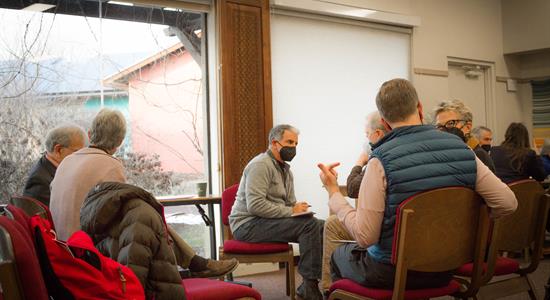
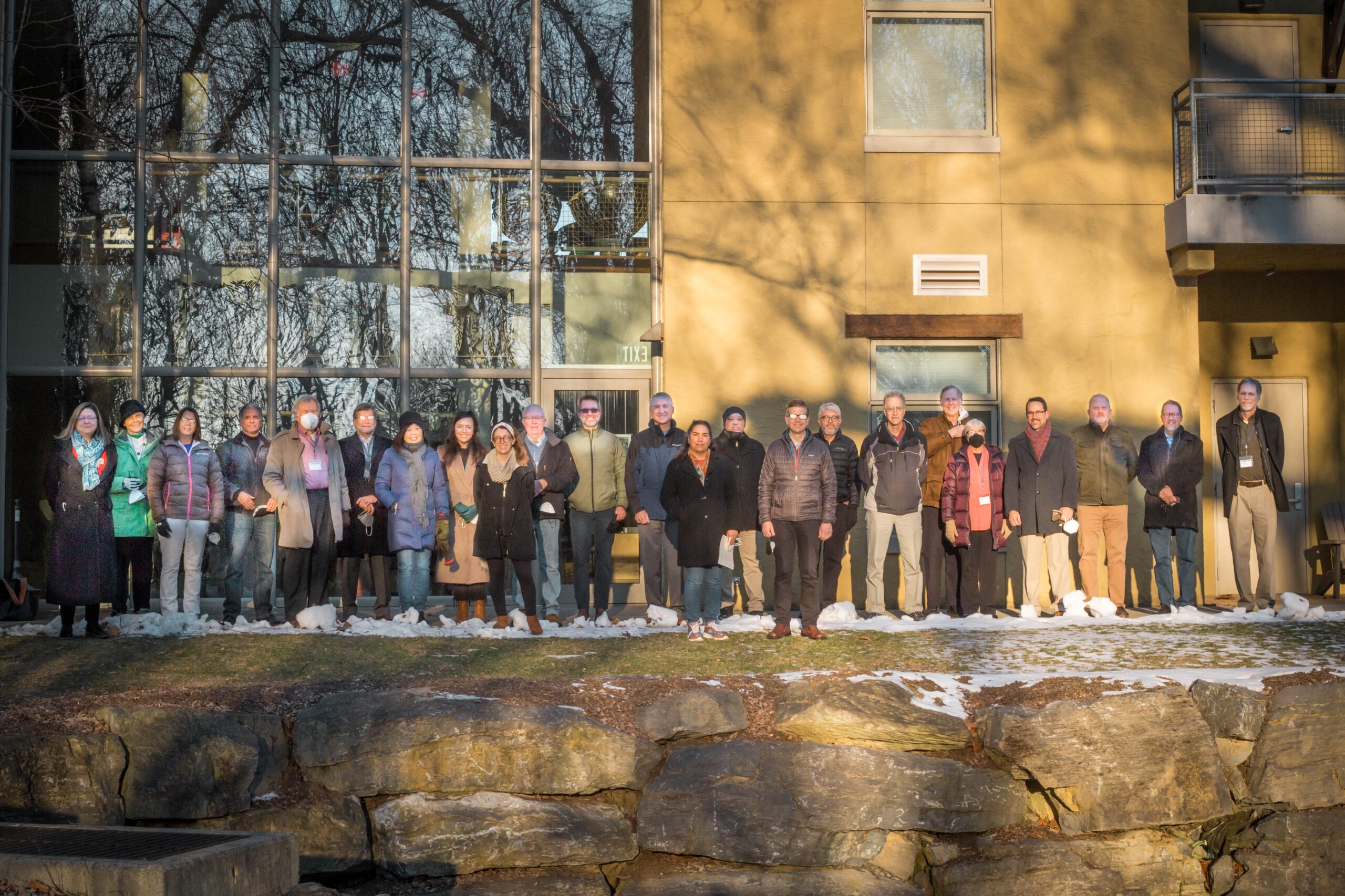
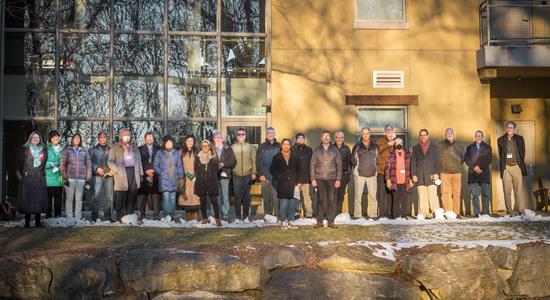
    A three-part series of events in October and November 2021 provided an opportunity for 26 men to learn and unpack narratives around masculinity, faith, and equity. Sponsored by Mennonite Men and Anabaptist Mennonite Biblical Seminary, including the Church Leadership Center and the Institute of Mennonite Studies.


    Events were facilitated by Ben Tapper of the Kindred Collective, a nonprofit that provides leaders with the tools necessary to overcome systemic problems that undercut the value of every person. Teaching helped unpack some of the ways that patriarchy and white supremacy have been interwoven.


    Participants were given the space and tools to dissect their own narratives so they can see where they’ve been influenced by patriarchy and white supremacy and how these aspects of their story may undermine their core beliefs or their desired values.


    Teaching by Ben Tapper emphasized that the work of combating racism and patriarchy must begin at home, with ones self before we can begin to begin this work in the church, so deconstructing and rebuilding our own understandings is foundational. ‘The institution of the church has helped uphold patriarchy and white supremacy throughout history and so has a huge responsibility in breaking them down,’ said Ben during the first of the three events.


    The opportunity to begin some of this work as a group of men was an important aspect of the series for many of the participants. ‘It was a healthy space to not only receive more information about masculinity as a social construct and type of socialization but also to practice being vulnerable with other men,’ said one participant.


    Steve Thomas, U.S. Coordinator of Mennonite Men, helped to plan and lead the series. ‘I think what impressed me most is how powerful it was for men to pull together their life stories and share these with others,’ said Steve. ‘So few men had done this before and as they shared their narratives with each other they identified deep wounds and gifts. It was moving to see men share heart-to-heart about what it means to be men and struggling with how we are socialized. It was also an opportunity to face the privilege White cisgender men have and acknowledge how this impacts other genders and other men of color.’


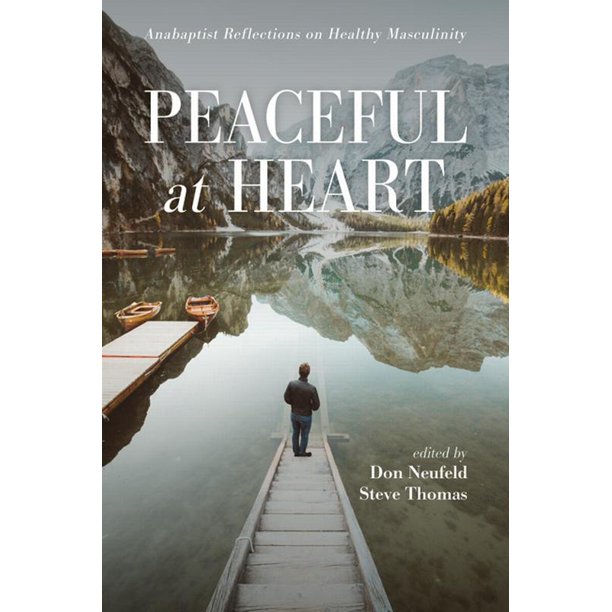
    Following the event, participants were given prerelease copies of the forthcoming book, Strong, Loving, and Wise: Joining Conversations for Men, written by Steve Thomas and Don Neufeld. The book invites men to reflect on their experience of God, Jesus, and the Spirit and explore how identity, gender, values, and practices shape us. It gives tools to help men pursue shalom in their personal and communal lives. The book will be published in the coming months.


  • Mennonite Men hosts Oregon Eco-excursion: Enjoying and tending God’s Earth

    Mennonite Men hosts Oregon Eco-excursion: Enjoying and tending God’s Earth


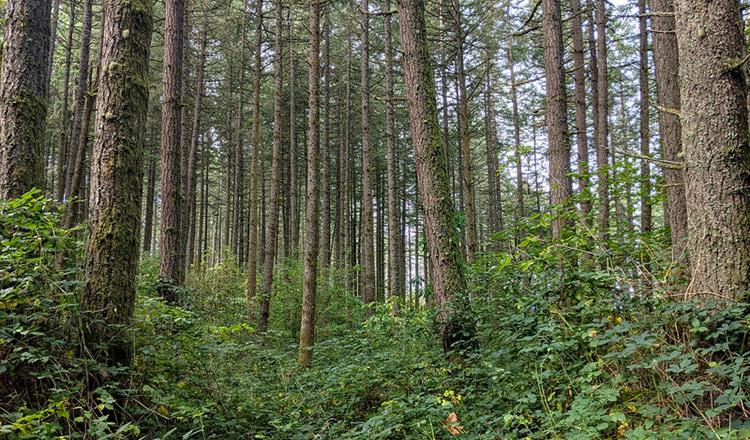
    In June, 2022, Mennonite Men will host an eight-day eco-excursion in Oregon’s Willamette Valley. The June 11- 19 trip provides an opportunity for a different kind of vacation that will give participants an opportunity to explore outdoor wild spaces and learn about forests and ecosystems in God’s creation.


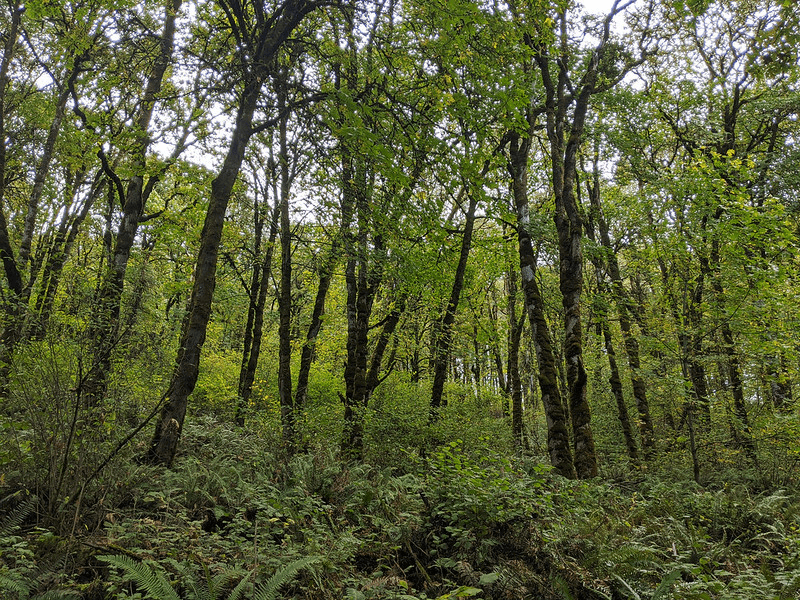
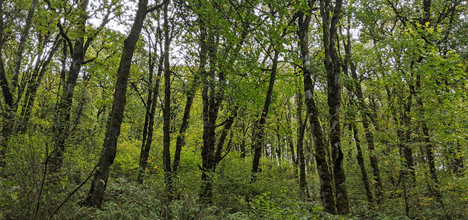
    The excursion will include hiking in temperate rainforests, kayaking on the Salmon River Estuary, working on a Zena Forest tree-planting project, whale-watching along Oregon’s coast, and staying in an old-growth forest at Drift Creek Camp.


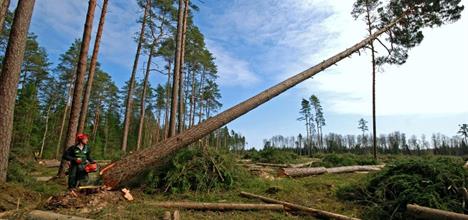
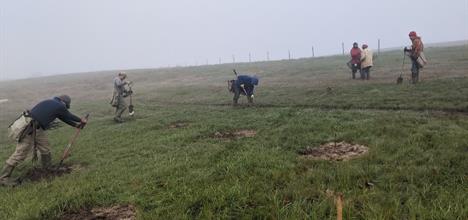
    This venture will be an experience for men to be in the wild together and work with a tree project supported by Mennonite Men to convert pasture to forestland. The project – part of the Mennonite Men JoinTrees campaign to plant one million trees – will extend the Zena Forest, a model working forest managed by a Mennonite family in a region with extensive clear-cutting. Steve Thomas, US director of Mennonite Men, is coordinating the trip. Steve is a certified arborist and graduate student in urban forestry at Oregon State University.

    Registration is open through April 11. Find more details and registration at oregon-eco-excursion.mailchimpsites.com/.


  • Indianapolis congregation transforms lawn to habitat

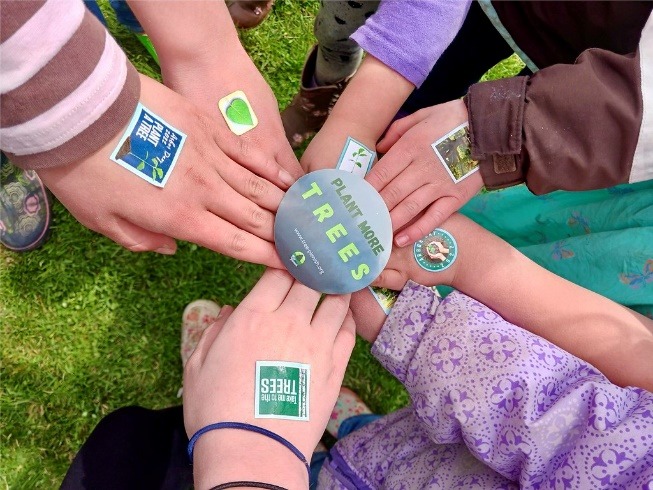
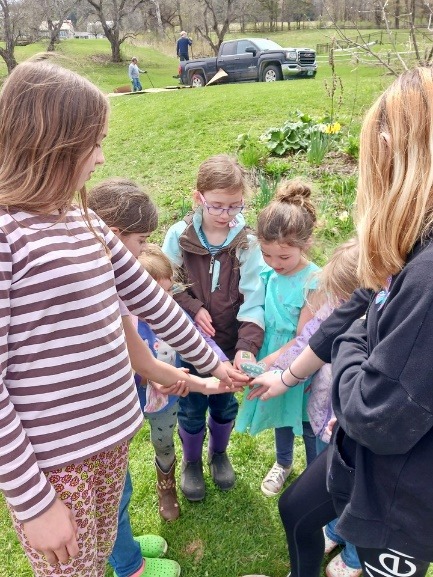
    In November, 2021, First Mennonite Church in Indianapolis, Indiana, planted 55 trees on church property. Led by the congregation’s Creation Care Crew, the project transformed a piece of the lawn to wildlife habitat that will better capture carbon dioxide, beautify the property, and help reduce standing storm water in the neighborhood.

    Steve Thomas, U.S. coordinator of Mennonite Men and certified arborist, provided some initial guidance on this project. The crew of 28 volunteers planted primarily native trees with the addition of some non-native fruit-bearing trees, the produce of which can be used or shared by congregation members. A portion of the trees planted will line the future path toward a memorial garden, which is the next phase in the congregation’s property update plan.


    To date, over 33,500 trees have been planted through the JoinTrees campaign. To learn more about JoinTrees and how you and your community can get involved, visit mennonitemen.org/jointrees.


  • EMU students help reintroduce American Chestnut in Virginia

    EMU students help reintroduce American Chestnut in Virginia

    In early October, EMU students helped to complete the reintroduction of 200 American Chestnut seedlings on 11 sites in Rockingham County, Virginia. The project, led by Loren Hostetter, a volunteer with the American Chestnut Cooperator’s Foundation (ACCF), has been working to reintroduce the tree to its historical habitat and to educate the public about the dangers of invasive species and the pathogens they carry.

    The American Chestnut once numbered nearly four billion in the eastern United States and southern Ontario. It played an important part of the ecosystem in its natural range and an essential piece of the early U.S. agricultural economy both for its nuts and its rot-resistant, straight-grained, fast-growing wood. In the early 20th century, a deadly blight was introduced from Asia that effectively destroyed the tree’s population in about 40 years.

    Since the 1980s, the American Chestnut Cooperator’s Foundation (ACCF) has been working to crossbreed surviving trees to resist the blight. Their hope is that ongoing trials and partnership with the National Forest Service and Shenandoah National Park will someday see the largescale return of the American Chestnut to wide swaths of its native range.

    The planting was funded in part through a grant from JoinTrees, a campaign of Mennonite Men, the men’s organization of Mennonite Church Canada and Mennonite Church USA, to plant one million trees by the year 2030.

  • Progress Continues on Brazil Church Building

    Progress Continues on Brazil Church Building

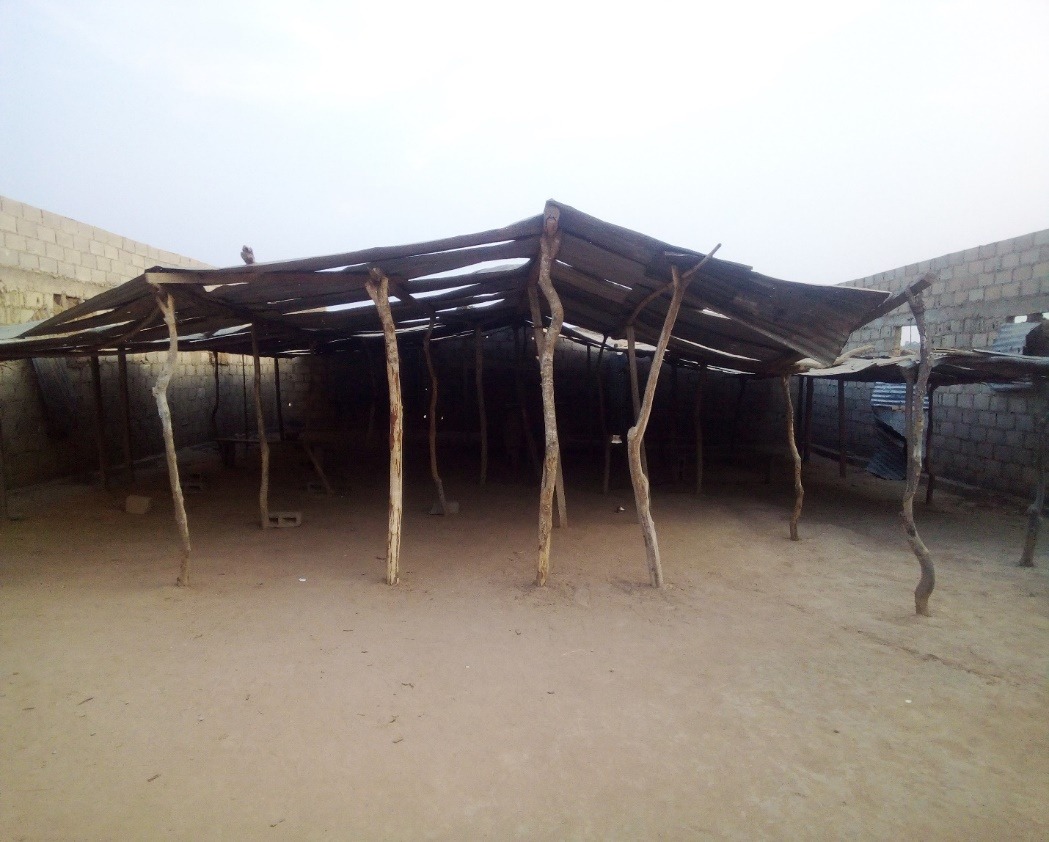
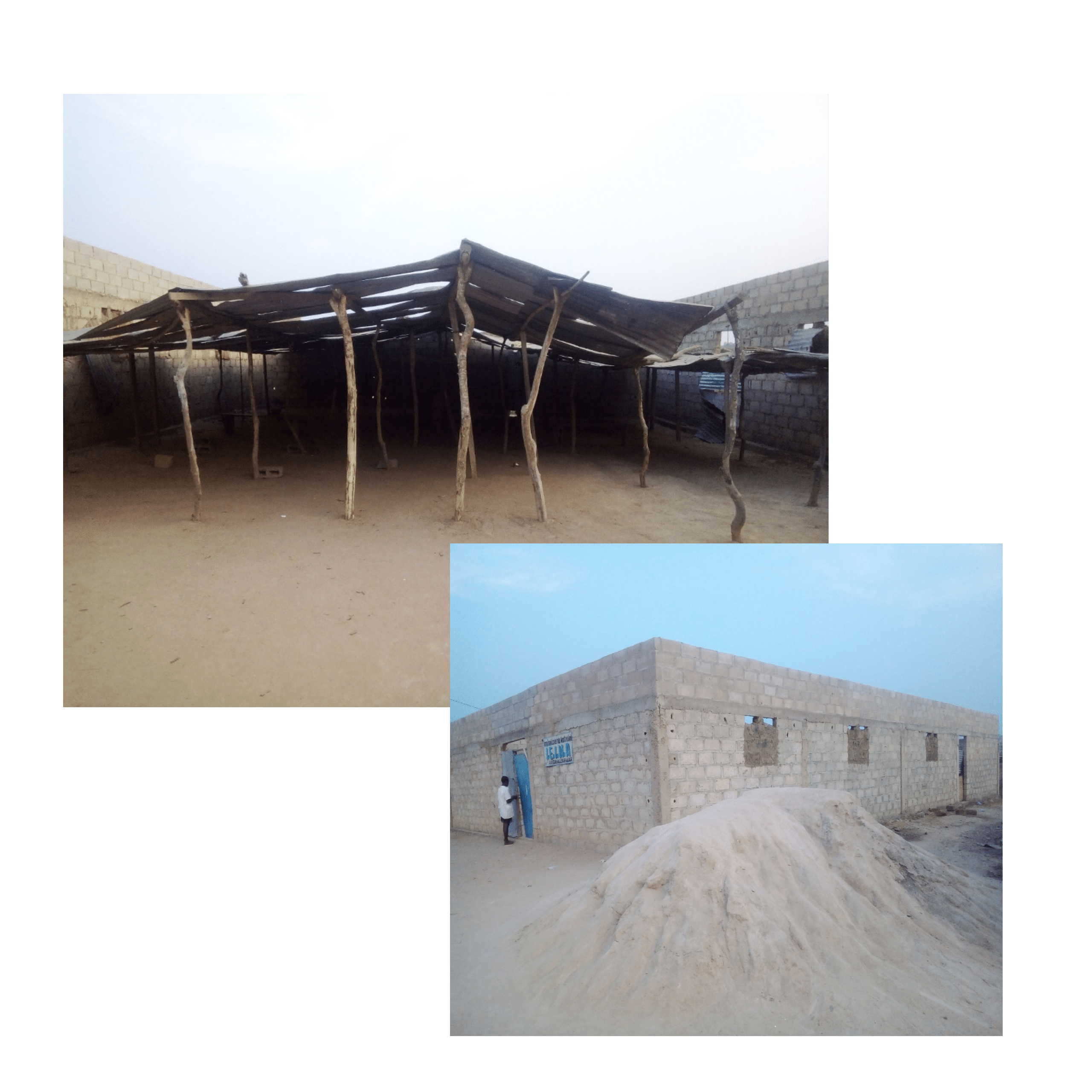
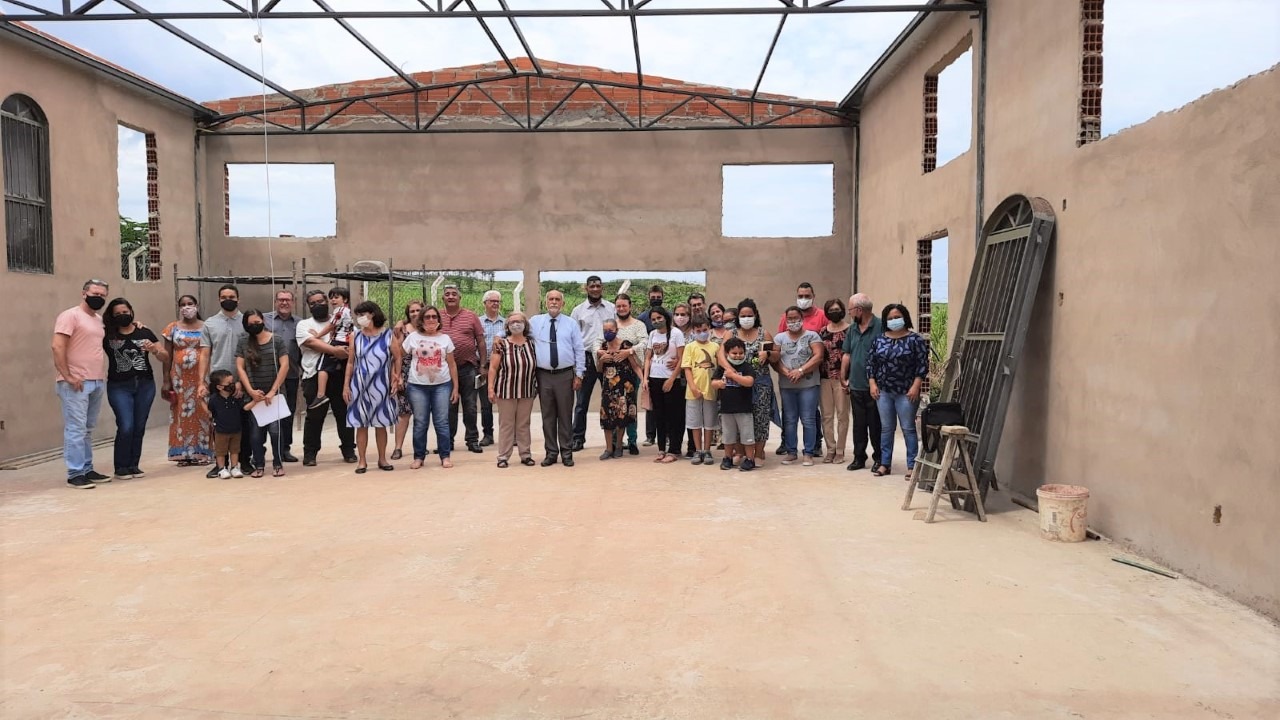
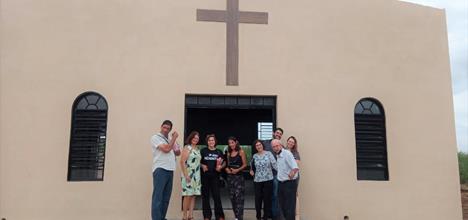
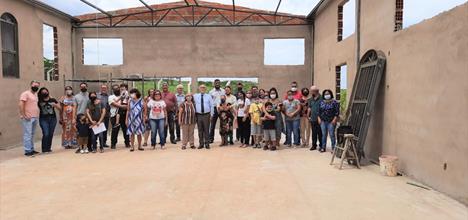
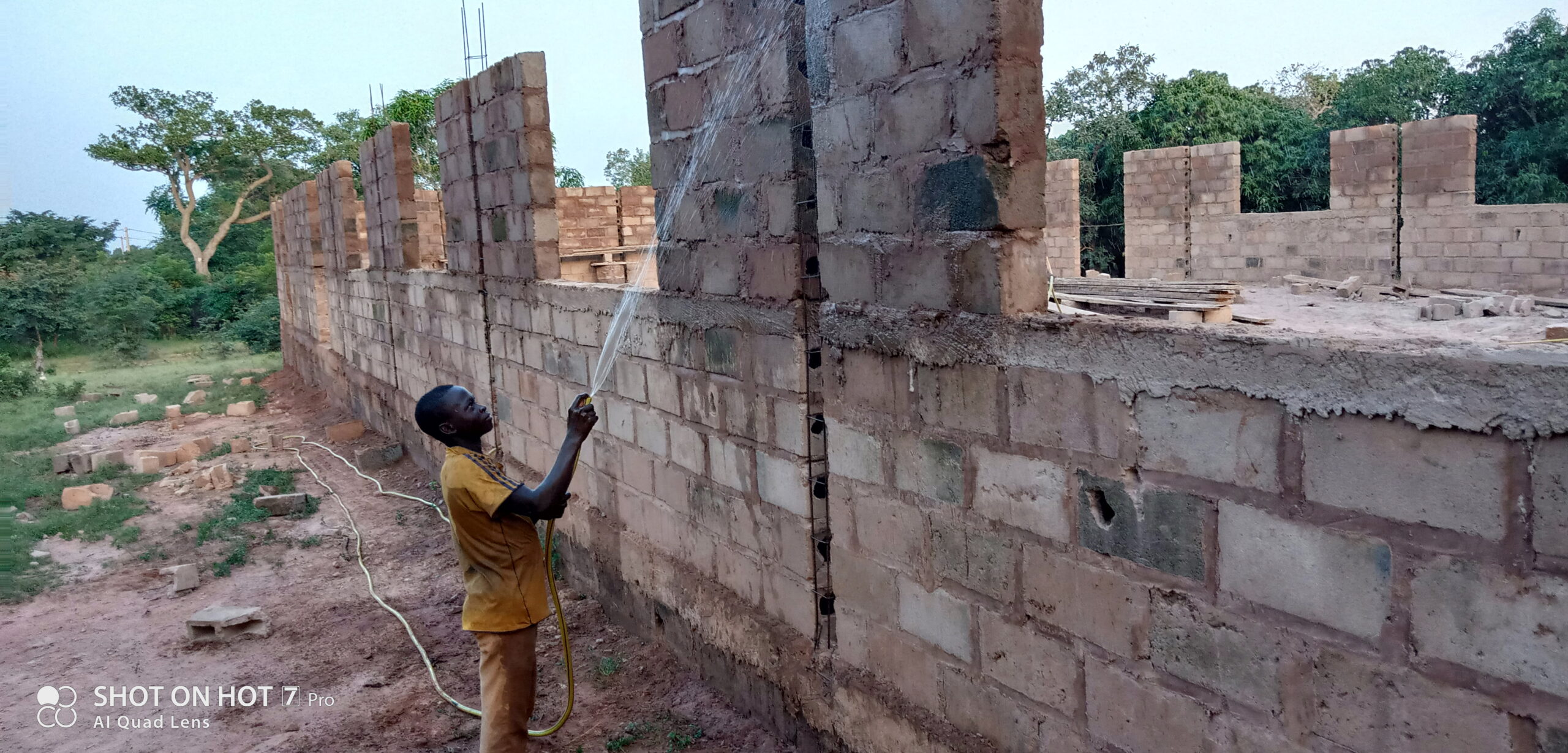
    In March, 2021, a Brazilian congregation, Igreja Evangélica Vida Nova (New Life) was awarded a JoinHands grant from Mennonite Men to aid construction of a new church building. Since acquiring the property, the congregation has been making improvements to the space, first meeting on the sidewalk bordering the property and then purchasing a spacious tent to house their services and other activities.

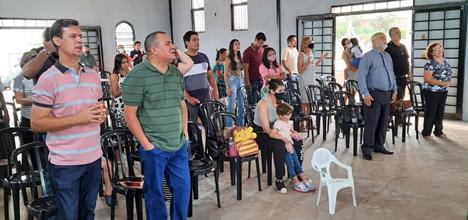
    A storm in early 2021 destroyed their tent but the setback only sped up the building process. They constructed a much simpler tent as a temporary meeting space and decided it was time to begin building the permanent church structure. In June, the congregation held its first service on the pad of their new building.

    Mennonite Men worked with Mennonite Mission Network (MMN) to identify Vida Nova along with Samogohiri Mennonite Church in Burkina Faso and Igreja Evangélica Menonita em Lago Azul in Brazil, as congregations that were working to construct a church building.

    In addition to the international grants, Mennonite Men also granted funds to Eastside Church, a congregation of Virginia Mennonite Conference in Harrisonburg, Virginia. They are currently raising funds for a grant to assist Hmong Mennonite Church, a congregation of Mountain State Mennonite Conference in Westminster, Colorado that is made up of Hmong people, a Southeast Asian ethnic group.

    JoinHands grants are dispersed when awarded grants are fully funded. We rely on the support of the Mennonite Men community to fill these grants and assist congregations with the building of their first meeting space. Since JoinHands began as Tenth Man in 1985, the program has distributed over $2 million helping churches in the United States, Canada, and in other countries to build or purchase their first building.

    Applications for a JoinHands grant, along with details about supporting these projects, can be found at mennonitemen.org/joinhands.

  • Local Congregation brings community together to plant 640 trees

    Local Congregation brings community together to plant 640 trees

    On two Saturdays in November, volunteers gathered at Landisville Mennonite Church to convert 3.65 acres from farmland into forest and meadow as part of the congregation’s efforts to improve water quality, expand pollinator and wildlife habitat, and address climate change. On November 6, over 80 volunteers planted meadow seed on 1.25 acres, and the following Saturday, November 13, over 100 volunteers planted 640 tree seedlings on 2.4 acres.


    On both days a statement was read out loud, acknowledging that the land was home to indigenous peoples before the church was founded there, and that the planting project is part of the congregation’s work of reconciliation with indigenous peoples

    “We wanted to do this as part of our commitment to caring for God’s creation, both now and for future generations,” said Brenda Horst, a member of Landisville Mennonite who helped organize the project. “But we couldn’t have done it alone. We really relied on the expertise of the Alliance for the Chesapeake Bay and volunteers from the community get this done.”

    In addition to volunteers from the church and from the Alliance, volunteers came from Hempfield High School, Franklin & Marshall College, Etown College, local Boy Scout Troops, Interfaith Partners for the Chesapeake, Lancaster Conservancy, Hope United Methodist Church, and several Mennonite congregations.

    Ryan Davis, the Pennsylvania Forest Projects Manager at the Alliance, helped plan the project and led the plantings both days.

    “The tree planting went very well on Saturday! We have had large groups before but never so many on site at once,” said Davis. “The seeding and tree planting days were just the very beginning of the process. We can expect the meadow to begin benefitting pollinators and other wildlife next spring, as the vegetative diversity there skyrockets relative to when it was a crop field. Rain infiltration will improve by the second year and we will begin to sequester carbon in the soil within just a few years.”

    In addition to the support from The Alliance for the Chesapeake Bay, Landisville Mennonite received a grant from Interfaith Partners for the Chesapeake for the meadow seed. Mennonite Men, the men’s organization for Mennonite Church USA, also gave a grant for the tree seedlings as part of JoinTrees, Mennonite Men’s campaign to plant one million trees by the year 2030.

  • Men’s retreat in Chicago explores use of power, love

    Men’s retreat in Chicago explores use of power, love

    By Ron Larson

    Reba Place Church hosted a Men’s Retreat on October 22-24, 2021, and invited Steve Thomas, USA Director of Mennonite Men, to lead our three day retreat. The original retreat was scheduled for March 2020, but the COVID lockdown forced us to cancel. It took us a year and a half to reschedule, but during that time, Steve Thomas and Don Neufeld wrote a new book titled, ‘Strong, Loving and Wise: Conversations with Men.’ Reba Place Church was excited to host Steve for the weekend to explore these topics together. The retreat was an opportunity to reconnect in person after the COVID lockdown and reflect on events and people that shaped us as men over the course of our lifetimes. The retreat helped us reclaim our identity as beloved sons of God who are following in the nonviolent way of Jesus, who are shaped into Christlikeness by both great love and great suffering.

    On Friday night, we had a campfire, ate s’mores and told stories. We enjoyed meals outside and kept a fire going to keep us warm on the chilly Fall days. Due to Covid precautions, we masked up indoors and made the joke that we were there to discuss what it meant to be ‘MASKuline.’ That was a fun way to go deeper and set aside our ‘inner masks’ to open up and be vulnerable. Steve Thomas created a safe space for us to share from the heart and discuss topics that wouldn’t just come up in regular conversation. We spent time reflecting on power structures and violence and how we can engage powerfully with a combination of love and wisdom. We also took time to embrace who we are as beloved sons of God. This is an important and ongoing stage for us as we grow beyond violent or immature male stereotypes offered up by the culture. We spent time discussing the connections between spirituality and sexuality and to embrace both as gifts from God.

    The new book by Steve Thomas and Don Neufeld, ”Strong, Loving and Wise,’ is a unique contribution to the men’s movement because it draws upon the nonviolent way of Jesus as the ultimate expression of human growth, both individually and for society. Steve incorporates elements of Robert Bly and Richard Rohr’s work, but delivers a uniquely Anabaptist vision for a thriving humanity pursuing shalom in the local church community. The format of the book is designed to foster conversation with over 70 topics to discuss. The book is a treasure trove of wisdom for men to explore together.

    Steve rounded out the retreat weekend by being our guest preacher for the Sunday service. After a joyful time of prayer and singing, Steve taught from 2 Timothy 1:7 where Paul encouraged young Timothy with these words, ‘For God has not given us a spirit of fear, but of power and of love and of a sound mind.’ Steve pointed to John Lewis and Martin Luther King, Jr. as men who served their communities faithfully and who learned how to use power and love to transform their worlds. By the time we finished our sermon discussion time at the end of the service, we knew we wanted to continue to hold space for these deepening conversations. We are excited to offer a monthly gathering for male identified folks to gather, listen and share in the nonviolent way of Jesus.

  • Congregation comes together to plant 640 trees

    Congregation comes together to plant 640 trees

    ​On two Saturdays in November, volunteers gathered at Landisville Mennonite Church to convert 3.65 acres from farmland into forest and meadow as part of the congregation’s efforts to improve water quality, expand pollinator and wildlife habitat, and address climate change. On November 6, over 80 volunteers planted meadow seed on 1.25 acres, and the following Saturday, November 13, over 100 volunteers planted 640 tree seedlings on 2.4 acres.


    On both days a statement was read out loud, acknowledging that the land was home to indigenous peoples before the church was founded there, and that the planting project is part of the congregation’s work of reconciliation with indigenous peoples

    “We wanted to do this as part of our commitment to caring for God’s creation, both now and for future generations,” said Brenda Horst, a member of Landisville Mennonite who helped organize the project. “But we couldn’t have done it alone. We really relied on the expertise of the Alliance for the Chesapeake Bay and volunteers from the community get this done.”

    In addition to volunteers from the church and from the Alliance, volunteers came from Hempfield High School, Franklin & Marshall College, Etown College, local Boy Scout Troops, Interfaith Partners for the Chesapeake, Lancaster Conservancy, Hope United Methodist Church, and several Mennonite congregations.

    Ryan Davis, the Pennsylvania Forest Projects Manager at the Alliance, helped plan the project and led the plantings both days.

    “The tree planting went very well on Saturday! We have had large groups before but never so many on site at once,” said Davis. “The seeding and tree planting days were just the very beginning of the process. We can expect the meadow to begin benefitting pollinators and other wildlife next spring, as the vegetative diversity there skyrockets relative to when it was a crop field. Rain infiltration will improve by the second year and we will begin to sequester carbon in the soil within just a few years.”

    In addition to the support from The Alliance for the Chesapeake Bay, Landisville Mennonite received a grant from Interfaith Partners for the Chesapeake for the meadow seed. Mennonite Men, the men’s organization for Mennonite Church USA, also gave a grant for the tree seedlings as part of JoinTrees, Mennonite Men’s campaign to plant one million trees by the year 2030.


  • Men’s retreat in Chicago explores use of power, love

    Men’s retreat in Chicago explores use of power, love

    Reba Place Church hosted a Men’s Retreat on October 22-24, 2021, and invited Steve Thomas, USA Director of Mennonite Men, to lead our three day retreat. The original retreat was scheduled for March 2020, but the COVID lockdown forced us to cancel. It took us a year and a half to reschedule, but during that time, Steve Thomas and Don Neufeld wrote a new book titled, ‘Strong, Loving and Wise: Conversations with Men.’ Reba Place Church was excited to host Steve for the weekend to explore these topics together. The retreat was an opportunity to reconnect in person after the COVID lockdown and reflect on events and people that shaped us as men over the course of our lifetimes. The retreat helped us reclaim our identity as beloved sons of God who are following in the nonviolent way of Jesus, who are shaped into Christlikeness by both great love and great suffering.

    On Friday night, we had a campfire, ate s’mores and told stories. We enjoyed meals outside and kept a fire going to keep us warm on the chilly Fall days. Due to Covid precautions, we masked up indoors and made the joke that we were there to discuss what it meant to be ‘MASKuline.’ That was a fun way to go deeper and set aside our ‘inner masks’ to open up and be vulnerable. Steve Thomas created a safe space for us to share from the heart and discuss topics that wouldn’t just come up in regular conversation. We spent time reflecting on power structures and violence and how we can engage powerfully with a combination of love and wisdom. We also took time to embrace who we are as beloved sons of God. This is an important and ongoing stage for us as we grow beyond violent or immature male stereotypes offered up by the culture. We spent time discussing the connections between spirituality and sexuality and to embrace both as gifts from God.

    The new book by Steve Thomas and Don Neufeld, ”Strong, Loving and Wise,’ is a unique contribution to the men’s movement because it draws upon the nonviolent way of Jesus as the ultimate expression of human growth, both individually and for society. Steve incorporates elements of Robert Bly and Richard Rohr’s work, but delivers a uniquely Anabaptist vision for a thriving humanity pursuing shalom in the local church community. The format of the book is designed to foster conversation with over 70 topics to discuss. The book is a treasure trove of wisdom for men to explore together.

    Steve rounded out the retreat weekend by being our guest preacher for the Sunday service. After a joyful time of prayer and singing, Steve taught from 2 Timothy 1:7 where Paul encouraged young Timothy with these words, ‘For God has not given us a spirit of fear, but of power and of love and of a sound mind.’ Steve pointed to John Lewis and Martin Luther King, Jr. as men who served their communities faithfully and who learned how to use power and love to transform their worlds. By the time we finished our sermon discussion time at the end of the service, we knew we wanted to continue to hold space for these deepening conversations. We are excited to offer a monthly gathering for male identified folks to gather, listen and share in the nonviolent way of Jesus.

  • Participants explore being a “Real Man” at Convention

    Participants explore being a “Real Man” at Convention

    At Mennonite Church USA’s biannual convention, Mennonite Men engaged with convention attendees in two in-person seminars. The first seminar explored tree planting as a way for congregations to engage in creation care and the second addressed issues of healthy masculinity and identity.

    On Wednesday, July 7, Steve Thomas, U.S. director of Mennonite Men Men, led a seminar on planting trees to help restore the earth. Thomas led participants in discussion on the critical place of trees in God’s creation, evident in the fact that the very first and last chapters of the Bible feature the trees of life. Based on a long list of their benefits for our communities and ecosystems, participants recognized the importance of planting and protecting trees. Thomas then presented how people can participate in the Mennonite Men JoinTrees campaign to plant one million trees by 2030 to help slow climate change and restore the earth.

    On Thursday, July 8, Thomas led a seminar discussing the phrase, ‘Be a man.’ While men and boys are often told to be a man, what does this mean? Thinking of conventional masculinity in American culture, participants responded that ‘real men’ are assertive, allowed to be angry, independent, strong, invulnerable, sex obsessed, don’t cry, don’t apologize, dominate, have guns, and drive truck, among other things. Participants examined what boys and men are called who don’t fit in the ‘man box’ and how this affects them. And they considered how this kind of masculinity impacts other genders. Thomas expressed that it was especially helpful to hear from women who were in this seminar.

    Seminar participants then identified traits of healthy masculinity and what Jesus modeled. Participants stated that ‘good men’ are caring, compassionate, serve, express feelings other than anger, are inclusive, respectful, confident, empathetic, loving, selfless, able to confess and apologize, and listen, among other traits. The contrast and tensions between these two ways of being men became evident. Participants imagined what our world would be like if more men embodied these traits of healthy masculinity more than what conventional masculinity calls for. They imagined a world with more respect, love, justice and peace.

    This exercise was drawn from the digital version of new book Strong, Loving, and Wise: Joining Conversations for Men that Mennonite Men will be publishing this fall. A print version of the book will be available later this year.