
 Growing up I had been provided opportunities to play and work outdoors in forested settings. Whether the oak-hickory forests of southern Michigan where my parents owned a cottage, or the forested slopes of the Four Corners Region of the Southwest where my family resided several times during my adolescent years. The latter experiences shaped my intention to pursue a professional forestry degree in the west and then work for public land agencies in the Rocky Mountain region.
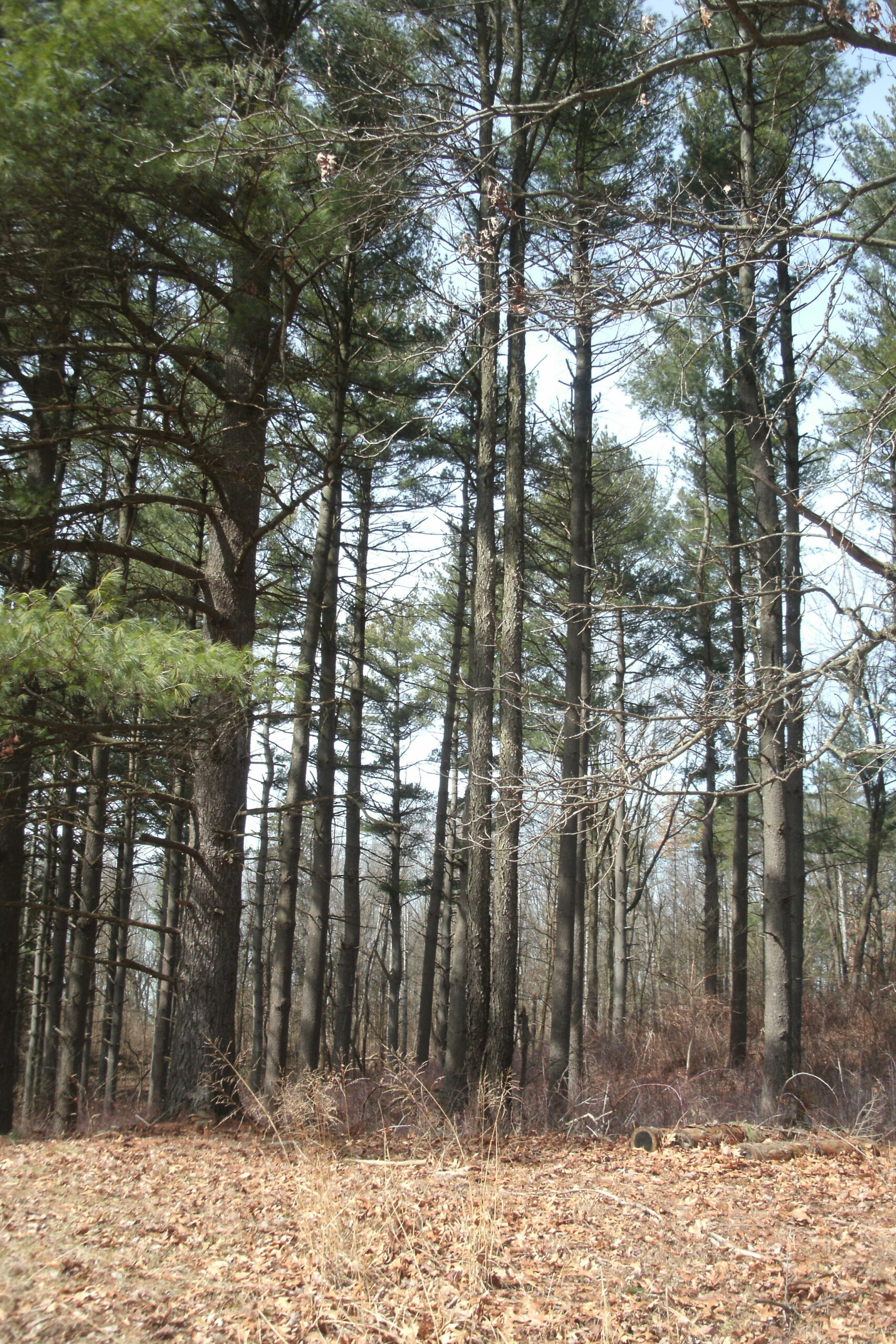
During my undergraduate studies I worked for a federal land agency during weekends and summers as a temporary employee. The working experiences I had, while valuable, caused me to reassess by life goals and how my Mennonite Anabaptist values might play a role. As a result, I took a two-year break prior to my senior year to explore ways I might serve the church within the context of my future professional endeavors. This led me to working with Amigo Centre, a Mennonite-affiliated camp in southern Michigan, as their land manager. During this break from undergraduate studies in the late-1970’s, I had the opportunity to begin planting trees on a tract of land my family had acquired at the north end of Goshen, Indiana. Forty years later this tract became part of the Pathways Retreat. (Image right: 60-year-old white pine planting- Amigo Centre)
From these early experiences emerged my life mission: ‘To show persons their integral relationship with the building of God’s kingdom and the dynamics of His Creation’. I pursued this mission by directing my vocation as a professional forester toward working with private landowners— both individuals and Mennonite organization-owned properties. This has included a forty-eight-year relationship with Amigo Centre stewarding their land—including a sixty-year-old white pine planting and, more recently, using forestry practices to rehabilitate their native oak-hickory forestland severely-damaged from a recent straight-line windstorm.
I also had the privilege of providing forest resources education to adult audiences as a Michigan State University Extension forester, and to young adults as a Goshen College environmental sciences faculty member and Director of Land Management at its Merry Lea Environmental Learning Center. Now recently retired from Goshen College, I continue to stay active in pursing my life mission by doing consulting work with private landowners and Mennonite-affiliated groups that own land.
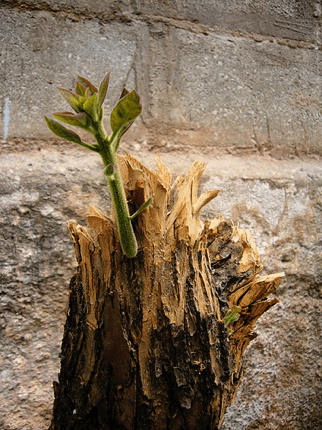 As I reflect back on almost fifty years, I am grateful to witness the Mennonite Church more fully responding to ‘the Holy Spirit beckoning us toward the restoration of all things in Christ’. There are many emerging expressions of creation care by individuals and organizations within the broader church—much of which has been led by the younger generations. While we might struggle to differentiate between what is the work that is ours to do and what is the work that is God’s to do, I have great hope for the future. I have witnessed this hope when engaging with private landowners, college students and camp staff, and supporting initiatives such as Mennonite Men’s JoinTrees. More recently I was gratified to connect Camp Friedenswald, a Mennonite-affiliated camp in southern Michigan, to JoinTrees resources for the afforestation of 13 acres of cropland. (Image left: Adventitious sprout- Dominican Republic)
So, in my experience, what has ‘hope’ looked like? During my graduate studies I spent time in the Dominican Republic (DR). As with many developing economies, native forest cover was being exploited for its wood to make charcoal for cooking. Mennonite Men’s JoinTrees campaign has been active in countries such as this to reforest degraded lands and support community agroforestry efforts. In the DR I captured an image that represented the ‘hope’ that can be found in the resiliency of nature—vegetative shoots on a tree that had been cut for charcoal production. These shoots developed from adventitious buds. They remind me of the hope found in the scripture commonly read during Advent…. Then a shoot will spring up from the stump of Jesse, and a Branch from his roots will bear fruit (Isaiah 11:1).

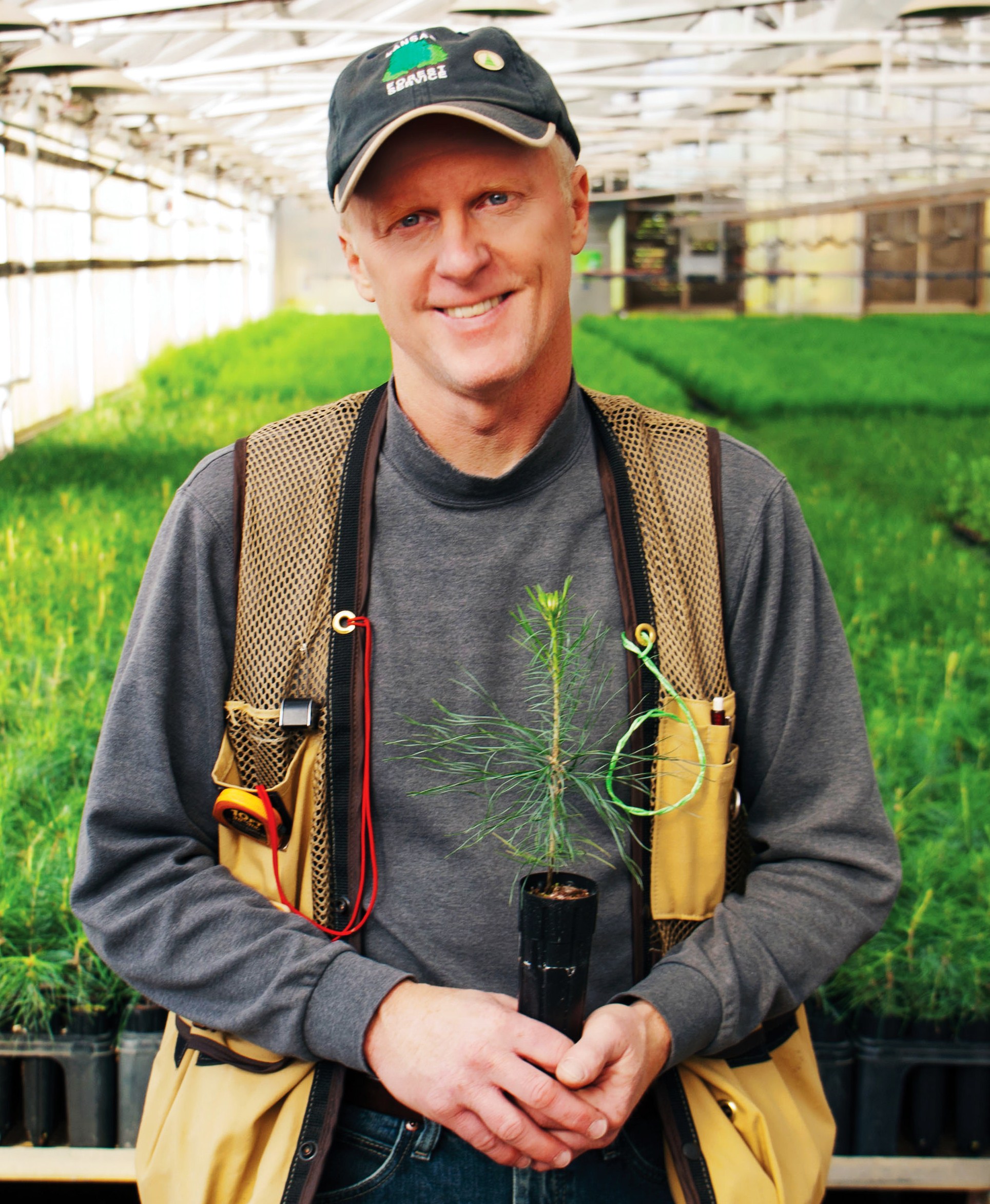
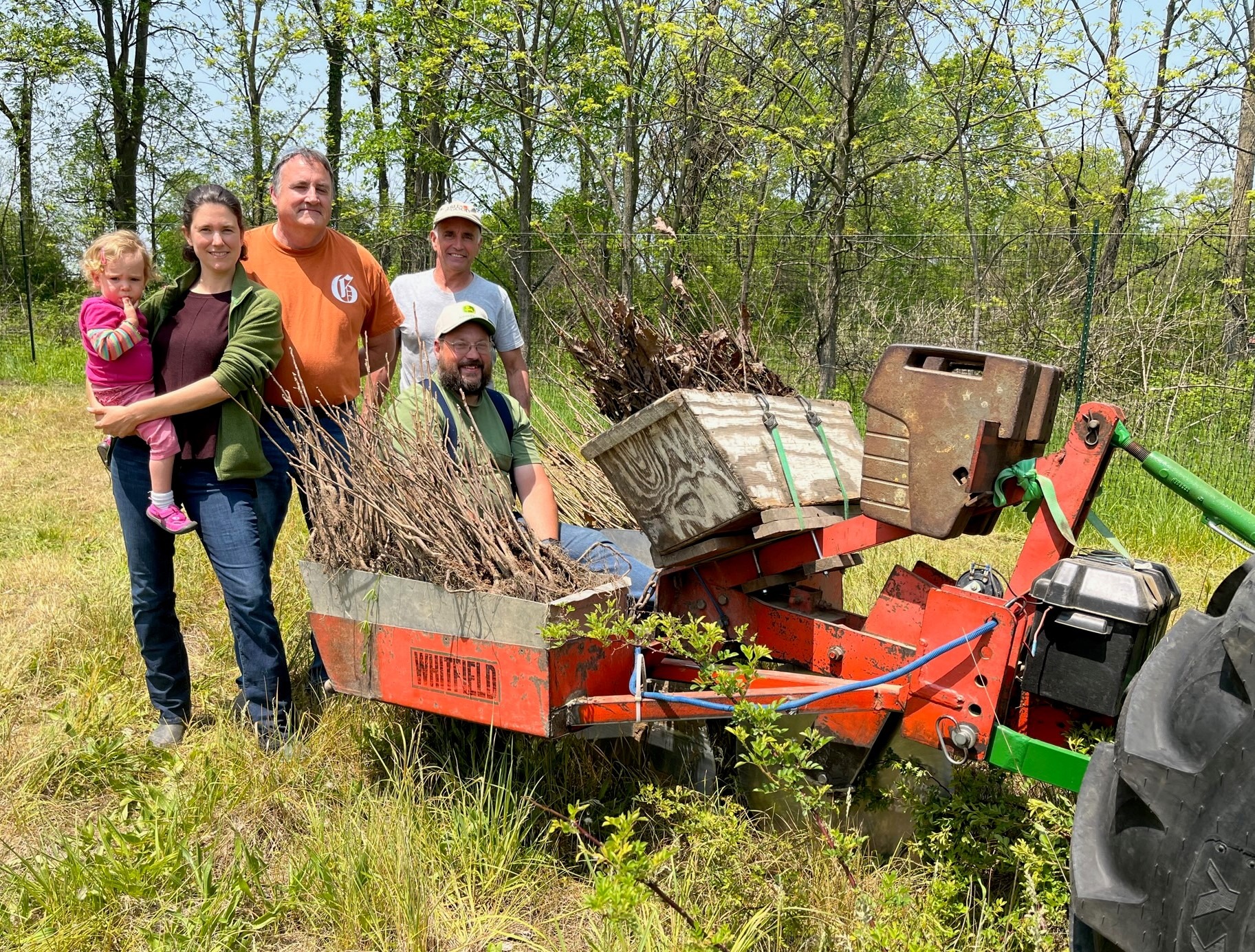
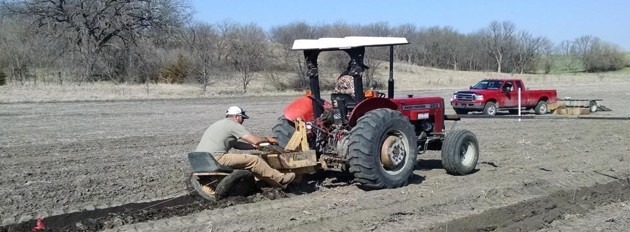 I spent most of my career working for the Kansas Forest Service at Kansas State University, in Manhattan. Like my father, I worked with Kansas farmers and landowners interested in planting and caring for trees. These were usually people who genuinely cared for God’s creation and literally sowed the seed or planted the trees that benefit the next generation.
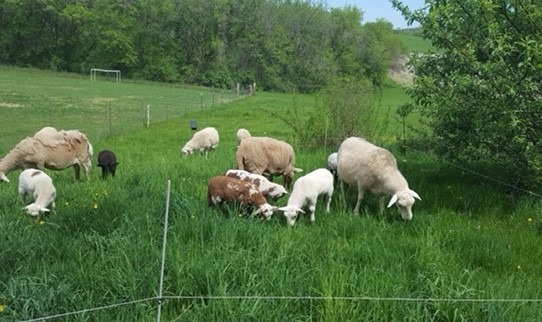
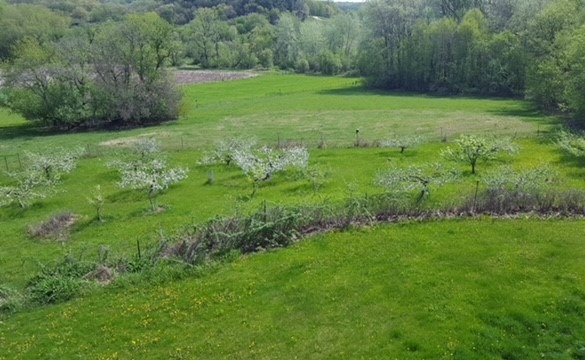 cropland that was converted to vegetable gardens, a small orchard, and a pasture for a few sheep and a small chicken flock, and recently 37 more acres that contain a several acre woodlot. Immediately, with the help of a government grant, 20 acres were planted in permanent pasture and divided up by electric fencing into smaller sections for rotational grazing. Produce from the farm is sold at several local farmers markets. Vegetable production, primarily salad greens in the colder months, and tomatoes in the summer, is year-round with the aid of high tunnels. Lamb, eggs, fruit, apple cider, and maple syrup round out the seasonal offerings.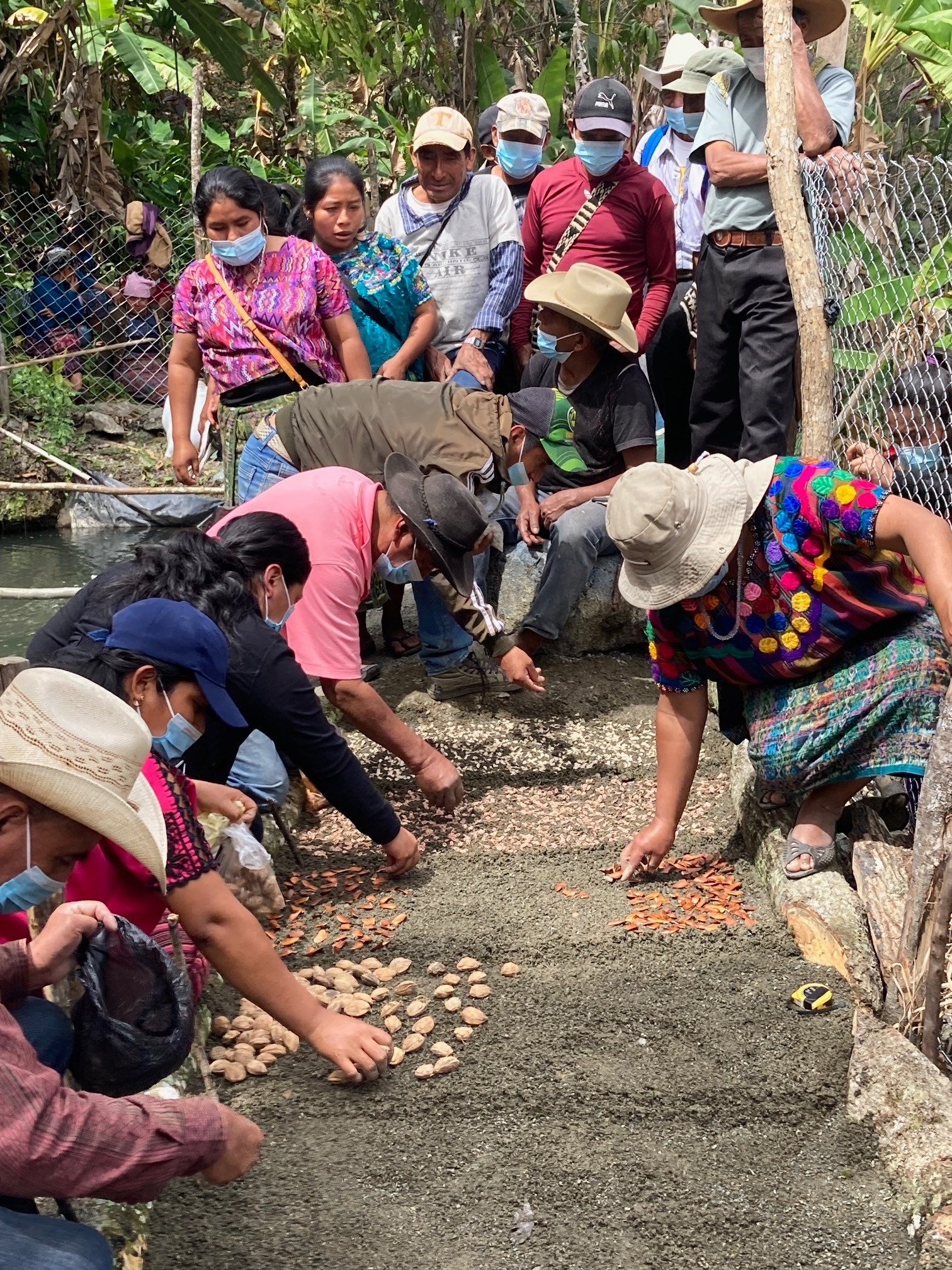
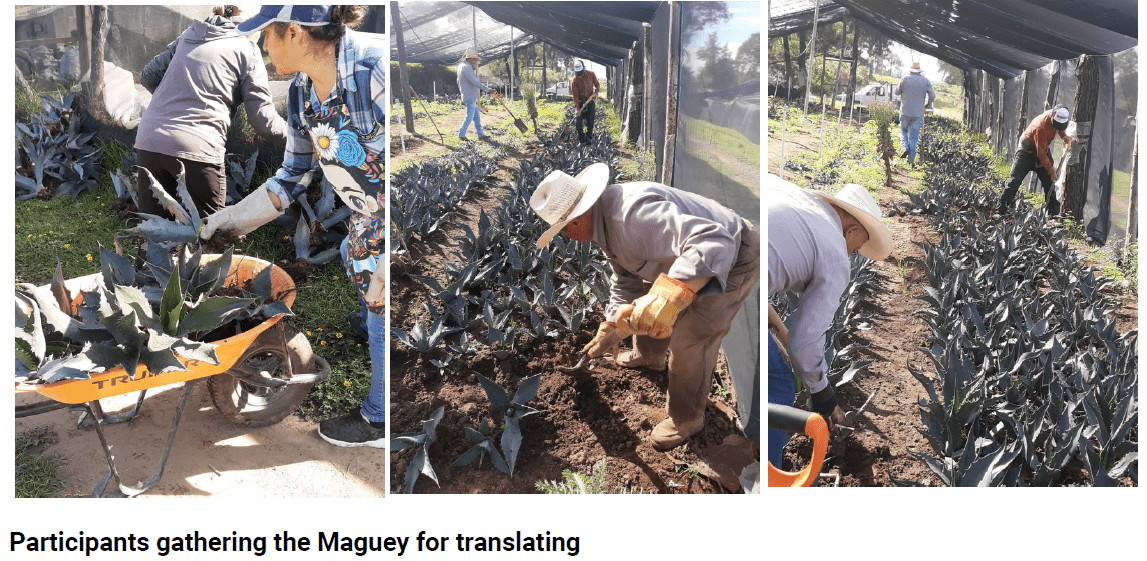
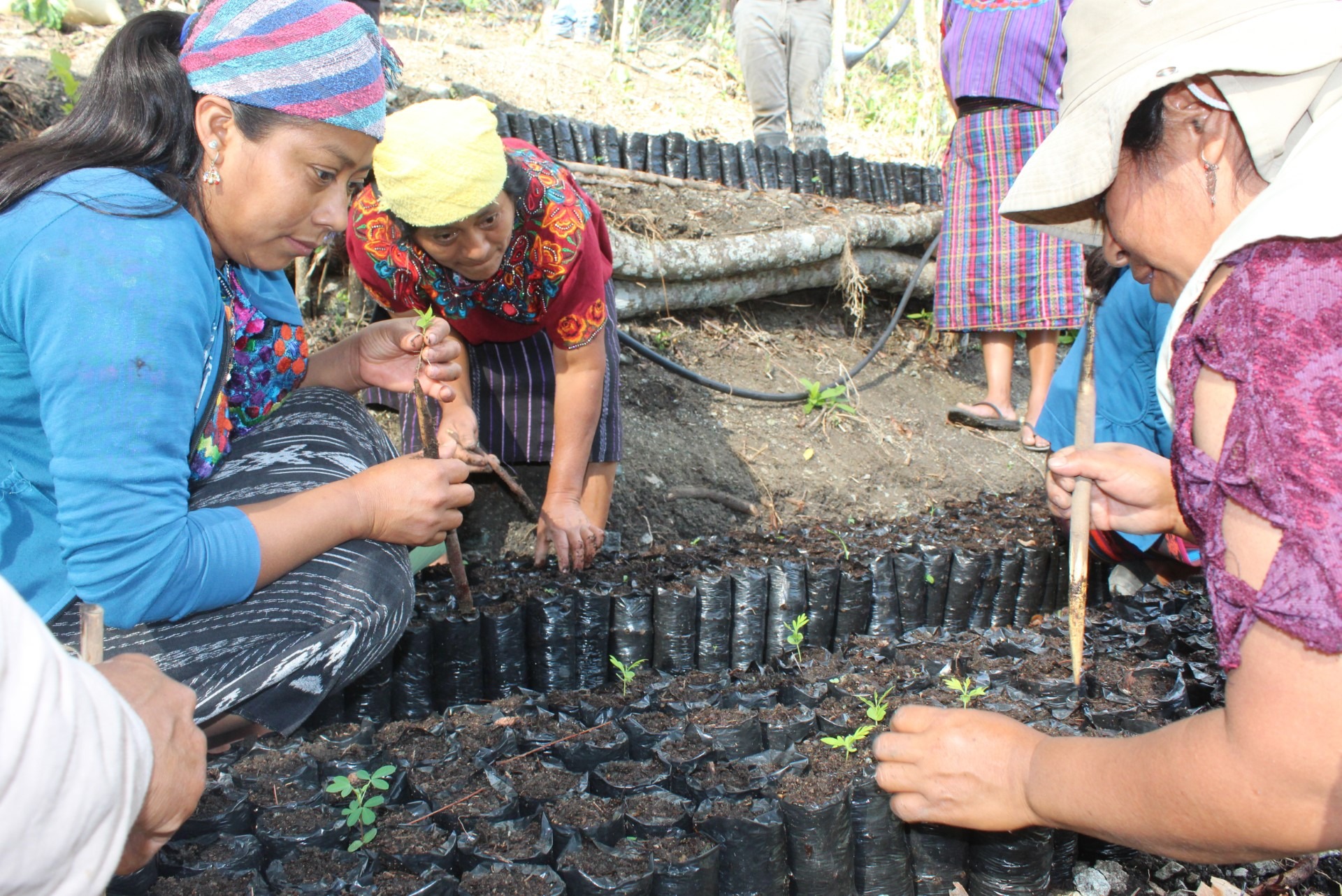 Approximately 30% of the trees will be planted on the farms of local participants in a wide variety of small agroforestry projects. These consist of a managed mix of trees planted to produce various products: food to eat or sell, fodder for livestock by cutting lower tree branches, lumber for houses, sustainably grown firewood for the family, etc. Producing lumber and fuelwood from these plantings protect trees from being removed from more valuable intact forest ecosystems. The objective is to restore the land while also producing an economic advantage for the farm family.