Category: JoinHands

  • Supporting Boys Coming of Age

    Supporting Boys Coming of Age

    Over the past year, parents have approached Mennonite Men about what we might offer for boys coming of age. Parents recognize that current activities—such as sports, clubs, and Scouts—are not the only ways to support their sons’ development. As an organization and through our JoinMen committee, we are considering how we can best serve parents, leaders, and boys who are maturing into adulthood. Are there particular Anabaptist approaches that can be modeled?

    From what I observe, Anabaptists are becoming increasingly aware of the value of rituals—marking time with events or ceremonies. We see ritual traditions such as bar mitzvahs or quinceañeras in particular cultural and religious contexts. Men’s rites of passage events are also gaining popularity. Could this kind of ritual become more widely practiced in a Mennonite context?

    Mennonite Men wants to respond to the needs of parents with boys. This would be an invitation, not an obligation, for boys and their families. Before we move forward as an organization, our board members need time to gather information and explore possibilities.

    For perspective, I spoke with Jesus Cruz, a Mennonite Men board member who serves on the JoinMen committee. I have enjoyed hearing him share about his own formative experiences as a boy coming of age in the Bronx, New York. When he was young, Jesus and his brother attended a Bible club program across the street, led by Mennonites. One day, two women from Fox Street Mennonite visited his mother to tell her about a summer camp at Camp Hebron, located many hours away. They encouraged her to let Jesus and his brother attend, and the church offered assistance to make it possible. She agreed. Jesus was 11 years old when he first attended camp. The experience profoundly shaped him, and he returned for many years, later becoming a counselor and serving at camp with his wife. He went on to become a pastor and served with Mennonite Education and other boards. Today, Jesus is a member of East Chestnut Street Mennonite Church in Lancaster, PA, where he has mentored boys through his congregation. He continues to be sought after for speaking engagements, leadership, and service.

    Jesus and other board members are asking important questions about how to support boys. Jesus asks, “What are parents looking for regarding their boys? How do we help parents, mentors, or other interested community members take initiative?” He wonders if supporting boys and resourcing parents could become a new initiative of Mennonite Men and asks how the board should approach this. “We need to bring more people into the conversation, and board members should be actively involved in this discussion. What role does culture play in supporting boys coming of age? Is Mennonite Men shifting toward a greater focus on young men and boys?”

    These and other questions will be explored at our upcoming in-person board retreat in late March. Additionally, Mennonite Men has submitted a workshop proposal for Follow Jesus ’25 Convention to report findings from an online survey about supporting boys coming of age. We hope this proposal is approved! Regardless, be on the lookout for an online survey on our website, which we will also promote through our listserv and future issues of Engage. Responses to this survey will help Mennonite Men discern ways to support boys coming of age in Anabaptist communities, as well as to support parents, fathers, mentors, and leaders of boys.


  • Giving and receiving: Chin Emmanuel Church, Houston

    Giving and receiving: Chin Emmanuel Church, Houston

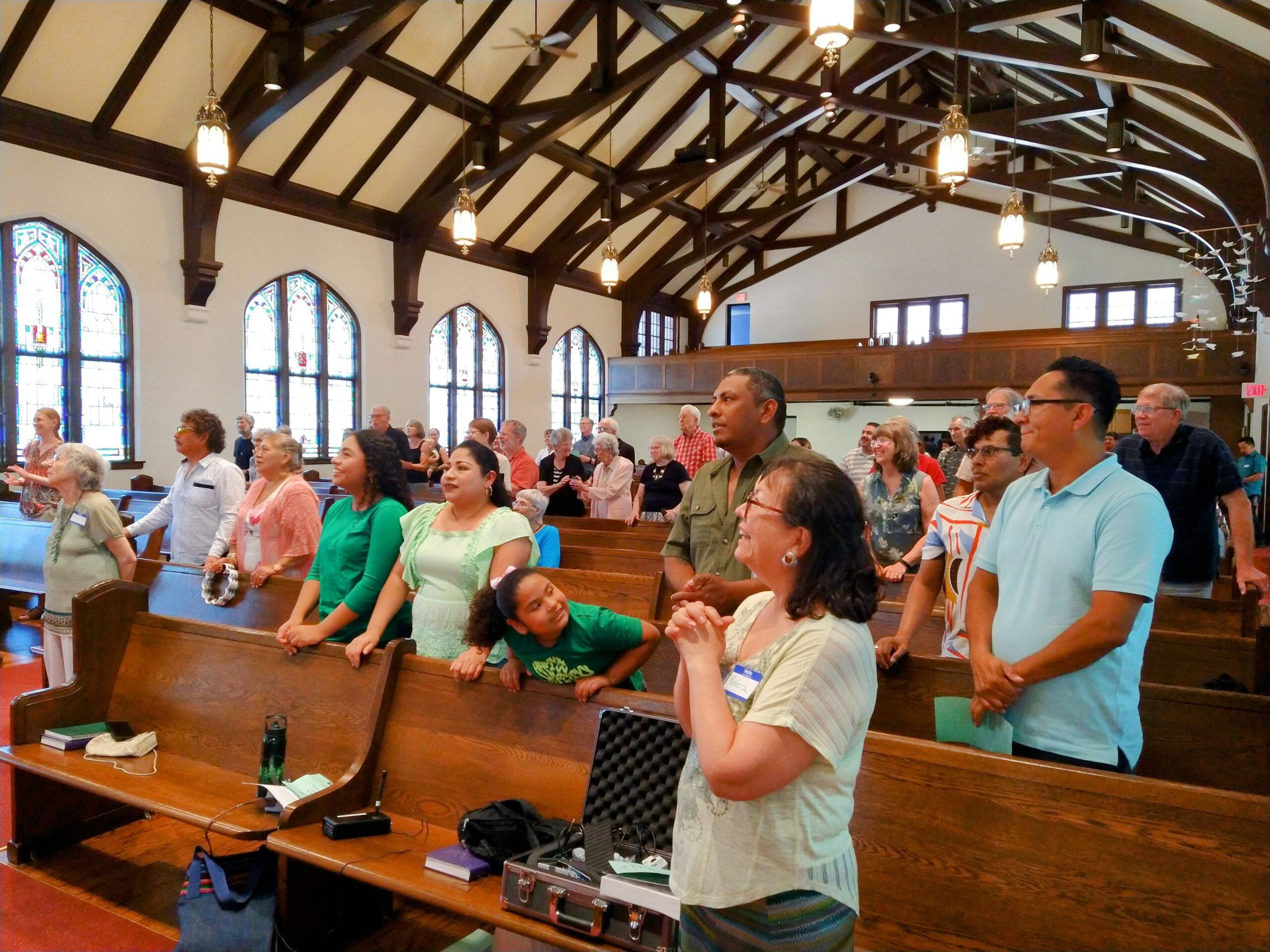
    While we provide support to churches, we also receive much in return. As I listened to stories of the suffering these Chin people have endured due to ethnic and religious persecution in Myanmar, I was deeply moved by their remarkable resilience. God’s Spirit has clearly shaped in them a character of long-suffering. As they stay connected with family and friends still suffering in Myanmar, they offer meaningful support and encouragement. Many of them must also show resilience in balancing two jobs to make ends meet.

    In worship, the congregation gave a powerful witness to the joy they find in God and their dedication as followers of Jesus. I was personally touched by their spiritual enthusiasm. For our worship, the Chin congregation contributed ‘Zisuh nih a zultu hna sinah (Peace Be With You! Jesus Told His Friends),’ #165 in Voices Together.

    They also offer a practical example of how to engage youth in worship. Pastor Simon shared his concern about retaining youth, a challenge faced by many churches today. In response, he encourages all youth to learn a form of music, which they eagerly do. The youth play an active role in worship, leading and contributing music with joy. Their worship truly reflects the sense of community central to their faith practice.

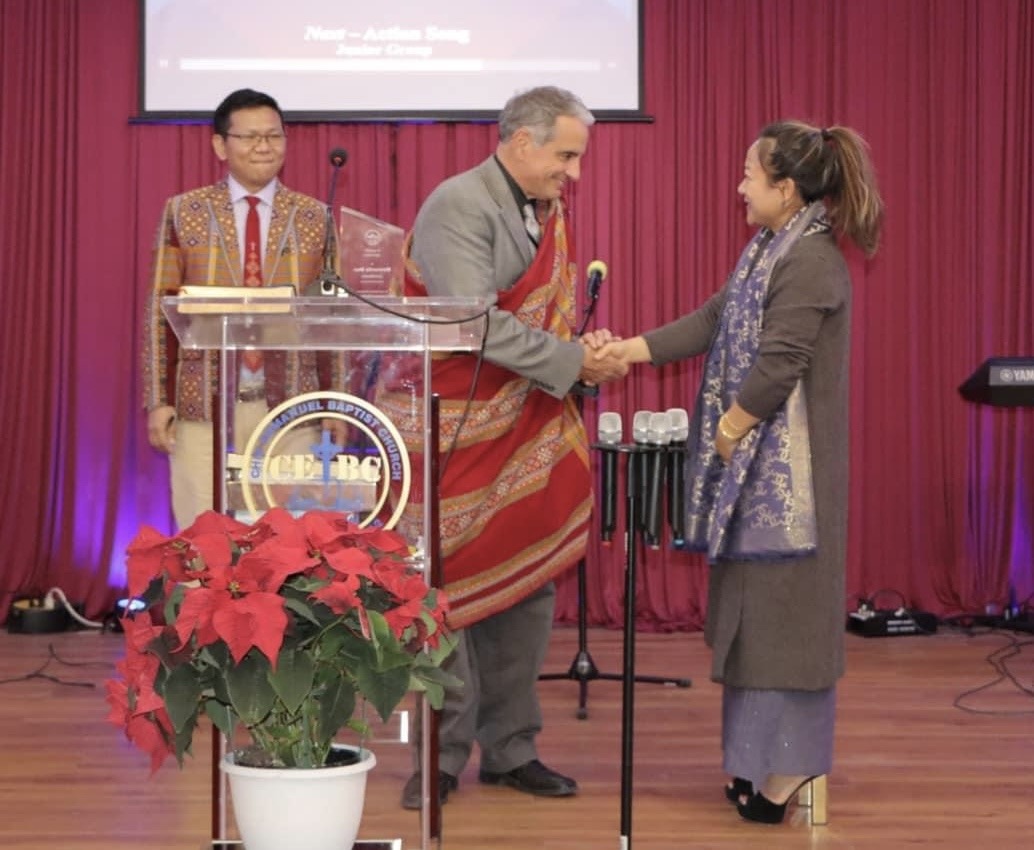
    This Chin congregation, like the Mennonite Chin in Omaha, Nebraska, extends their support beyond the church by helping refugee families adjust to life in a new country and culture. They are as passionate about mission as they are about worship, eager for others to experience the abundant life found in Christ. After I presented the Mennonite Men JoinHands grant, they graciously gave a sum of money to be used to assist another church with their building project—a beautiful example of generosity and community spirit.

    In all these ways, they have much to offer the broader Mennonite Church.

    Postscript
    This is the second grant we have made to Chin congregations joining Mennonite Church USA. These congregations are a prominent part of the new church movement within our Mennonite family. Approximately half of all new MC USA congregations come from ethnic-racial backgrounds, including African American, Hispanic, Native American, and Asian groups. This trend reflects the church’s growing racial and ethnic diversity, particularly in urban and immigrant communities, where congregational growth has been most pronounced.

    Thanks to the generosity of our donors, we have provided over $2.5 million to 93 new congregations to support their building projects. In the past twelve months, Mennonite Men distributed $91,500 through JoinHands grants to four Mennonite churches.


  • Good intentions aren’t enough

    Good intentions aren’t enough

    Men can dismantle patriarchy with actions that support women in leadership


    Three years ago, when I started my practice as a process consultant, I wondered if I could ever shake free of the Anabaptist World article that potential clients often found when they googled my name.

    The article reported on my resignation as superintendent of a Mennonite school, in which I cited the patriarchal assumptions of a group of people in the school community that became abusive and made my leadership unsustainable.

    Image: Jeanne Zimmerly Jantzi and Joel Gaines (joining virtually) lead a seminar on ‘The Messy Struggle of Antiracism’ at the Mennonite Church USA convention in Cincinnati in 2021.

    Before taking the role at the school in 2017, my husband and I had served internationally with Mennonite Central Committee since 1989. During those years, I’d observed the effective leadership of women in the countries where we lived. We’d worked under a woman’s leadership. After living outside of the United States for so long, I naively assumed that in my home community any questions about women’s ability and calling to lead had been settled long ago.

    I assumed my generation was having a different experience than my mother’s. She lived through a time of squelched dreams for women who felt called to lead. As a child, I remember leaning forward between the seats of our VW hatchback to hear her vent to my dad on the way home from church.

    The 1963 Mennonite Confession of Faith, Article 14, stated: ‘[I]n the order of creation God has fitted man and woman for differing functions; man has been given a primary leadership role, while the woman is especially fitted for nurture and service. Being in Christ does not nullify these natural endowments, either in the home or in the church.’

    This was the Confession used by the Mennonite Church. By 1995, theConfession of Faith in a Mennonite Perspective — used at that time by the Mennonite Church and General Conference Mennonite Church and now by Mennonite Church USA and Mennonite Church Canada — reversed that way of thinking, at least on paper.

    Article 6 states, ‘The rule of man over woman is a result of sin (Genesis 3:16) and is therefore not an acceptable order among the redeemed (Galatians 3:28; 1 Corinthians 7:4; 11:11-12).’

    Article 15 states, ‘The church calls, trains and appoints gifted men and women to a variety of leadership min- istries on its behalf.’

    Women alone cannot change the historic ranking system that places men at the leadership pinnacle. Men need to be committed to dismantling patriarchy.

    Revised wording in a Confession of Faith cannot bring down a deeply engrained culture that stratifies wom- en (and other intersecting identities) below men. Many men would say that they fully believe in women’s leader- ship. The lack of tangible evidence of this support may be unintentional.

    Still other men continue to affirm the sentiments found in the 1963 Mennonite Confession of Faith. The intent or motive is irrelevant when experiences of patriarchal behavior diminish a woman’s ability to lead.

    Men’s privilege in the workplace is so familiar and unquestioned that it may not even be recognized. Take something as simple as asking questions. When a male leader asks a question, it can be seen as a helpful coaching tool, or a way to get people to explore a new idea. When a female leader uses a question to engage thinking, men often assume she is asking because she doesn’t know the answer. Her teaching device is assumed to be an invitation to launch into a lengthy explanation.

    From a position of unquestioned privilege, men have confidently written many books explaining how to lead. Few books by men recognize the variable in the leadership context if the leader is a woman.

    There are men who want to learn about their blind spots and to change. My husband is one. We job-shared as co-leaders for 24 years in cultures that traditionally assumed the man would lead. We continuously analyzed our roles, giving and receiving feedback and striving to learn and grow.

    I’ve also had opportunities to work with and observe men in the school context and in my other circles who work hard to support women’s leadership. They don’t always get it, but they want to keep learning to do it better.

    I share the following suggestions for men who want to do better. The list began with a blog post I wrote and expanded with suggestions from other women’s experiences.

    1. Sit down. Consider whether this is the time to make space for a woman to step up in leadership instead of you. Are you ready to be in the No. 2 role? What changes would you need to make to support a woman leader?
    2. Notice who is taking up the talking time in a meeting. Create space for a woman leader by turning to her and asking, ‘What do you think?’
    3. Stop interrupting. You might not even notice when you do it. Be aware. Ask for feedback. Apologize. If a man and a woman speak up at the same time, encourage the woman to go first. Don’t accept her deferring to you.
    4. Steer the conversation back to a woman if she is interrupted and the topic shifts off track. Intervene on her behalf. State to the group the facts what just happened: ‘Sarai was speaking, and Michael interrupted. Let’s go back to Sarai.’
    5. Reinforce what a woman leader says if the man in charge ignores her point. Make sure the woman gets the credit for her contribution.
    6. Refer to and defer to a woman leader. Outsiders may assume the man is in charge. Correct their mistake imme- diately. Introduce the woman as your leader. Use titles in the same way it’s done for men. Sometimes you may need to leave the room to reinforce the woman’s leadership.
    7. Quote what women leaders have said or written and publicly give them credit for it. Elevate and promote women’s voices, including famous people and your colleagues. What they have to say is worthy of atten- tion.
    8. Pay attention to the optics. In public, note whose name is listed first. It matters who comes to the podium and who communicates publicly. Notice who sits in what chair. Step back, even if moving forward comes naturally to you.
    9. Encourage confidence and affirm women in their leadership. Privately, let a woman colleague know if you notice her apologizing for her input or being tentative when she clearly knows what she is talking about.
    10. Base your promotion and hiring practices on substance rather than on style. Women’s leadership does not need to follow a male mold to be effective and powerful.
    11. Stop protecting women leaders. It undermines a woman’s leadership when you withhold information that you assume will be too emotionally distressing. It disempowers a leader when you assume her plate is too full and you step in to handle what she should address.
    12. Learn history. Recognize how men have shaped culture in ways that ben- efit men by disempowering women. Honor the ways women are rejecting this historic injustice.
    13. Unlearn your tendency to take charge or to feel entitled to lead. Recognize that you’ve been shaped by a patriar- chal system and that it’s possible to disrupt that system.
    14. Engage in your own inner work to recognize that your value does not depend on being higher than a woman in our cultural caste system. A man with healthy self-confidence and
    15. self-respect will accept that a woman in leadership is not an attack on your value or masculinity.
    16. Believe women when they tell you about their experiences of sexism. When they point out disempowering behavior or patriarchal assumptions by you or others, be curious rather than defensive. Don’t try to explain the ‘harmless’ intent. Find out how it could be done better.
    17. Join in women’s justified anger when their leadership is not respected. Let a woman see your anger at the injustice. Use the energy of righteous anger to learn, and carry that learning forward to help other men learn.

    Good intentions aren’t enough. Men can learn to do better and call upon other men to change their hearts and actions. That’s the workload they carry. Women have their own work to do to thrive as leaders.


    This article originally appeared in Anabaptist World, May 2024. Read or download a PDF of this article HERE.


  • Sharing Spaces: Walnut Hill’s Legacy of Hospitality

    Sharing Spaces: Walnut Hill’s Legacy of Hospitality


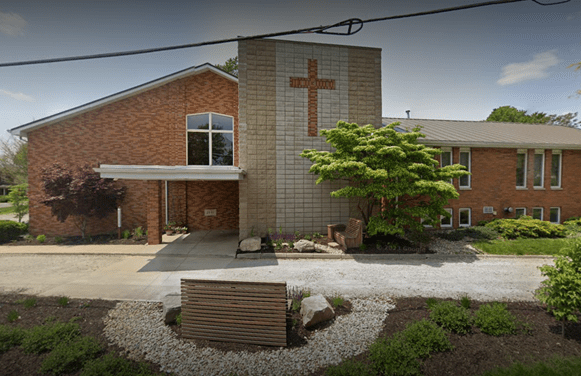
    In 1956, Walnut Mennonite Church in Goshen, Indiana was a brand-new church plant born from North Goshen Mennonite Church. 33 years later, after a fire destroyed part of its building, North Goshen welcomed Walnut Hill back into their space, for free, for two years until reconstruction was complete. Area congregations with Indiana-Michigan Mennonite Conference also helped Walnut Hill rebuild after its crisis with their generous financial support.

    These were gifts that Walnut Hill never forgot, and ones which they determined to pass along when they could.


    Over the years, Walnut Hill has hosted various groups including crafting groups, Al Anon, Alcoholics Anonymous, and Music Together, and more recently Jail Ministry of Elkhart County and the Repair Network (Mennonite churches connected to the Coalition to Dismantle the Doctrine of Discovery). Then in 2021, it opened its doors to another congregation. A small, Latinx church—the Goshen Seventh Day Adventist Church, was seeking a space to meet. With little hesitation, in large part due to how North Goshen had treated them, Walnut Hill became the home for the Goshen Seventh Day Adventist church.

    The arrangement worked quite well, so well in fact, that in 2024, when Goshen Haitian Church needed a place to meet, Walnut Hill was ready to welcome them into their space, too. And none of the groups or churches using Walnut Hill’s space is ever charged a fee. This is Walnut Hill’s way of paying forward the generosity it received. The actual building costs are kept low by using solar panels and other energy-efficient features.


    Scheduling-wise, it’s worked well as one meets on Saturday and the other on Sunday afternoon while Walnut Hill meets on Sunday morning. And the congregations are slowly getting to know each other, which benefits Walnut Hill as they are a largely homogeneous congregation. Not only does it allow Walnut Hill a way of growing community with two racially marginalized groups in the local community, but it expands their understanding of the different denominations locally, too.


    Both the Latinx population in Goshen, and the growing Haitian community, face certain challenges that Walnut Hill is becoming more familiar with and seeks to minister to.


    It’s a mutually beneficial arrangement that Walnut Hill is glad to be part of.


  • Shared Spaces, Shared Hearts: Casa Betania in Newton

    Shared Spaces, Shared Hearts: Casa Betania in Newton

    There had long been a desire for a Hispanic Mennonite Church in Newton, Kansas. Finally, in March 2008, four Hispanic Mennonite women started leading services, while Western District Conference (WDC) helped search for a church planter. In June, Jaime Cazares arrived in Newton with his wife Suhelen. Several WDC Newton churches helped with financial support during the first years. First Mennonite Church of Newton offered a recently purchased house next to the church as a place for the new church to gather throughout the week. Children and youth of Casa Betania were welcomed into First Mennonite’s programs. When the church outgrew the living room, First Mennonite offered a large double classroom on the lower level, for the church’s Sunday gatherings. Eventually, Casa Betania requested using the sanctuary for their worship service, and moved their service time to Sunday afternoon.

    Throughout this time, First Mennonite’s spacious kitchen has been utilized by Casa Betania for meals and celebrations, as well as for making tamales and burritos for fundraisers. At times Casa Betania has prepared fundraising meals and served Wednesday night meals for both congregations. The intersection has been much more than facilities. The Wednesday meals and activities provide a time of interaction together. Early on, a few First Mennonite members with Spanish capability began participating regularly in Casa Betania. Linda Shelly, Latin America Director for Mennonite Mission Network, worships with both congregations and is available for simultaneous interpretation into English for non-Spanish speaking friends of Casa Betania. First Mennonite has included Casa Betania children and youth in scholarship programs for Camp Mennoscah and Mennonite colleges. And some of the youth have participated in First Mennonite’s youth group and mission trips. Both youth and adults have joined together in MDS trips. Occasionally, the two congregations have a joint worship service meeting either in the afternoon or the morning.


    Both congregations consider it a blessing to share space and get to know brothers and sisters of different cultures.


  • Houston congregation realizes its dream of owning a building

    Houston congregation realizes its dream of owning a building


    In March, 2024, the board of Mennonite Men approved a $40,000 JoinHands grant for the Chin Emmanuel congregation in Houston, Texas. The congregation recently shared this background and note of thanks to JoinHands supporters.

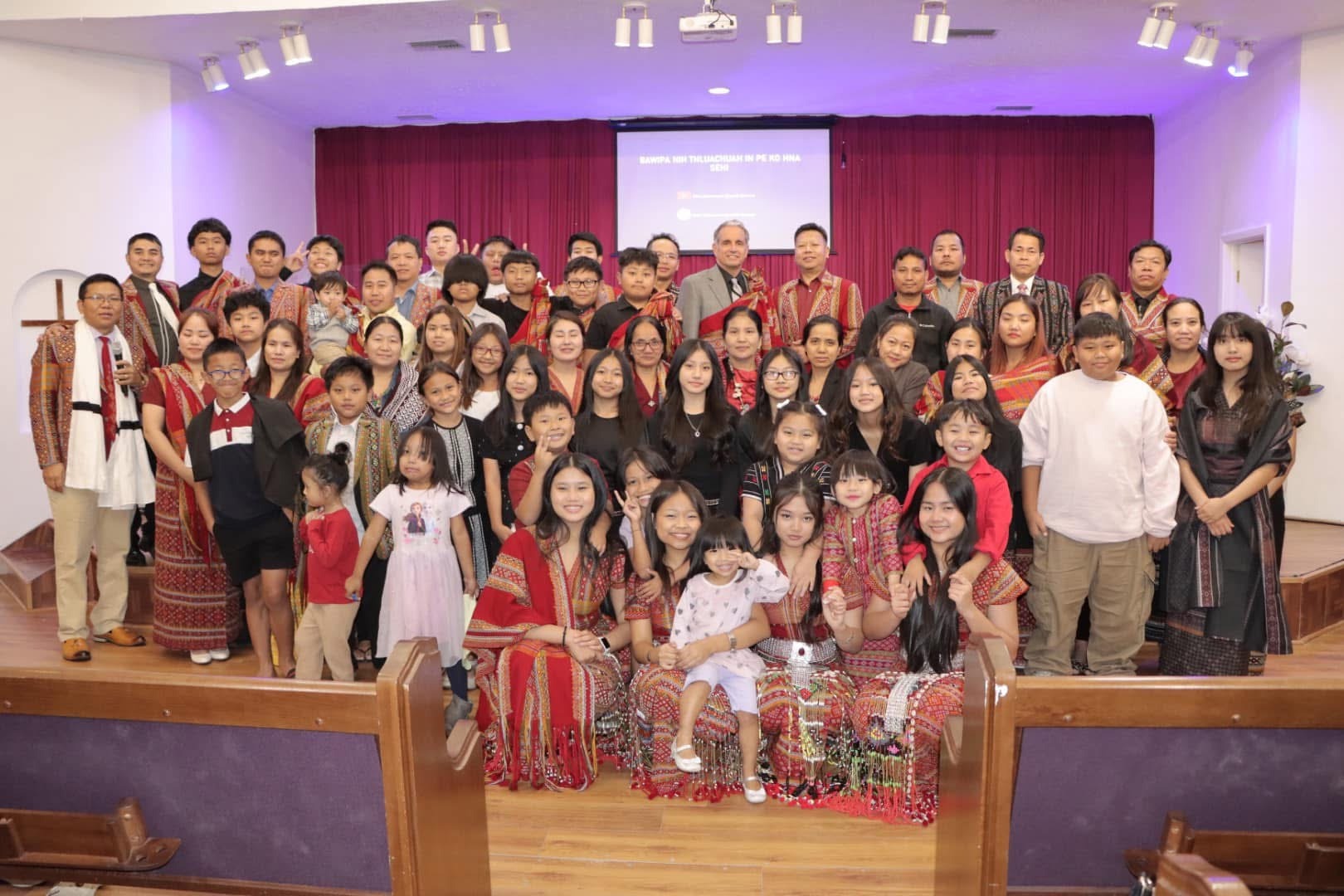
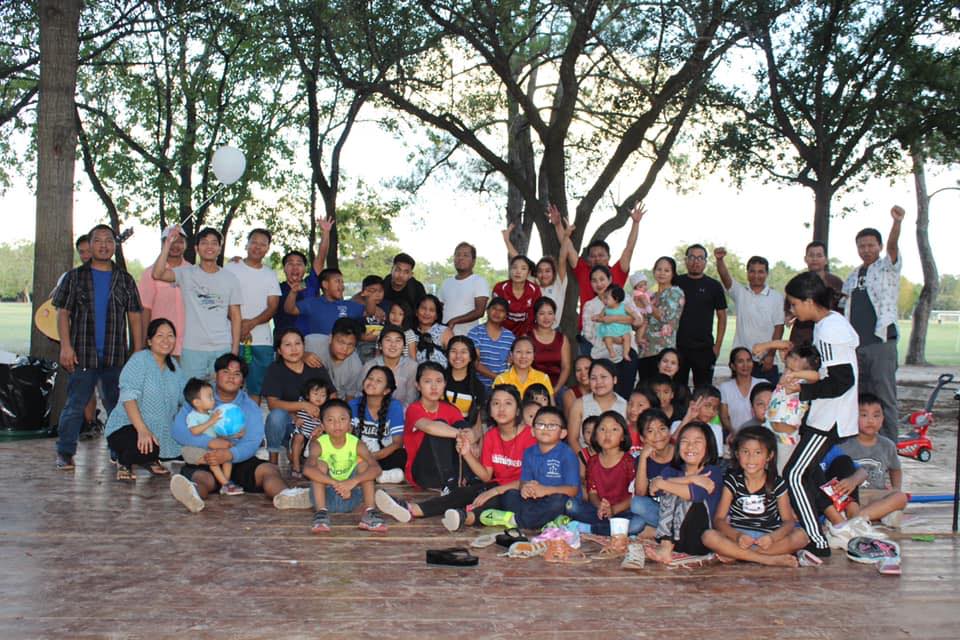
    ‘Chin Emmanuel Baptist Church was founded in February 12, 2012 in Houston, Texas by refugees from the Chin community in Myanmar, fleeing from ethnic and religious persecution.

    Pastor Simon Tlumang brought together a small group, which soon grew into a flourishing congregation of more than 200 people.

    In 2013, looking for a denominational home, Chin Emmanuel Baptist Church joined the Western District Conference and Mennonite Church USA because of theological and personal connections with the Mennonites. Chin Emmanuel Baptist Church has been a regular participant in the Texas MCC Sale, Western District Conference, and other denominational ministries since they found a Mennonite home.

    After years working as a community to help refugees settle, establish roots in their new community, care for children growing up in a new culture, and find ways to fit into the American economy, in 2023 Chin Emmanuel Baptist Church decided it was rooted enough to purchase a church building together.

    All the members and pastor Simon Tlumang appreciate Mennonite Men’s help in making this dream of a church home a reality.’


    This young Houston congregation, like the Chin community in Omaha which recently recieved a JoinHands grant, was founded by refugees from the Chin community in Myanmar fleeing from ethnic and religious persecution, and has found a home in Mennonite Church USA. Flourishing with more than 200 people, this Chin congregation is helping refugee families adjust to life in a new land and foreign culture.

    They found a former church building in need of renovation that will meet their needs for worship services and community ministry. We now need to raise funds to make this $40,000 grant.


  • Revival on new land

    Revival on new land

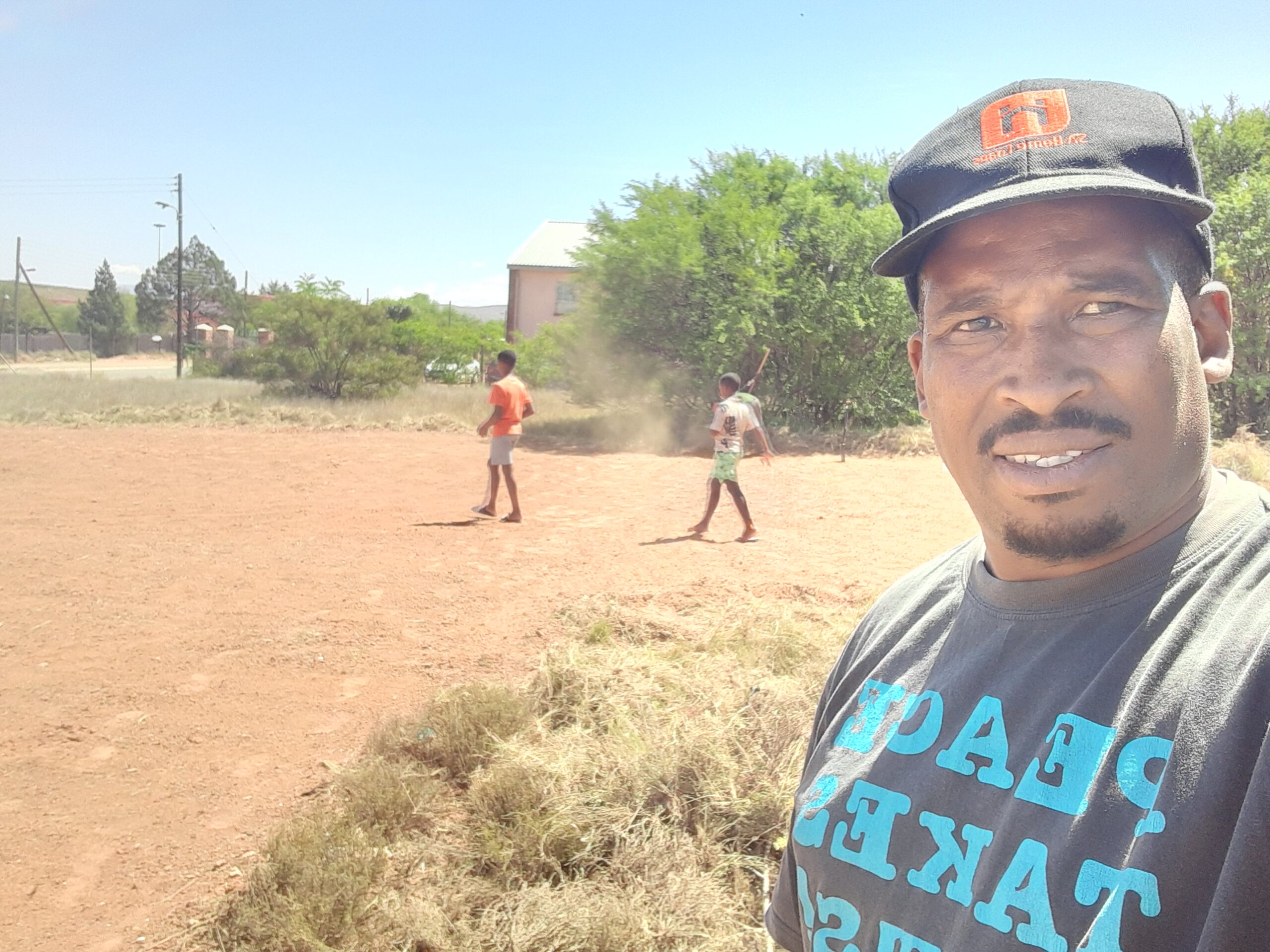
    After years of waiting, seeking, and praying, members of the Grace Community Mennonite church in Cradock, South Africa are finally able to begin working and meeting on the land that will hold their first church building.

    The congregation received a JoinHands grant from Mennonite Men in 2018 and has since struggled to find a suitable location for a building. With the recent purchase of a plot, they have now been clearing and preparing the land for building, which they hope to begin early this year.

    In the meantime, the congregation has hosted a revival conference in late January with sister churches in the area. They raised a large tent and invited all those with musical instruments to join the worship and open air evangelism.

    Pastor Lawrence Coetzee shared that the gathering ‘was well supported locally and we are looking forward to mobilise young people for the next event before the Easter holidays.’

    Mennonite Men would like to thank all those who generously contributed to the Grace Community Mennonite Church grant. Look for details about the next JoinHands grant in the coming weeks.


  • A Men’s Organization for God’s Shalom

    A Men’s Organization for God’s Shalom

    Mennonite Men—as the men’s organization of Mennonite Church USA and Mennonite Church Canada—includes all persons who identify as men in these church bodies. Our mission is engaging men to grow, give, and serve as followers of Jesus for God’s shalom.


    We promote an Anabaptist way for men that focuses on following Jesus, forming community, and building peace with a model that is more whole and life-giving than our culture’s dominant version of masculinity. From our Christian faith perspective based on the way of Jesus, we seek to engage in men’s work that affirms men, supports their personal growth, forms healthy relationships, transforms social problems, and cares for the Earth—all to bring about God’s shalom. We do this by providing events and resources for men, participating in social action, and funding building projects for new churches and tree planting for climate action.


    Our purpose is to enjoy and extend God’s abundant life. This is the why of our life and work. We believe that God intends for us to live life with individual and collective well-being. We are meant to enjoy the gifts of this life not just for ourselves but also to extend them to others. We experience this together and have meaningful, life-giving work as we seek the following ten aims.


    1. Respecting themselves and all people as beloved children of God
    All people are beloved children of God created in the Divine image. Because all people are created in God’s image, all are God’s beloved regardless of culture, creed, or deed. By respecting one another, we honor our God-given identity and dignity. This truth influences how we look at and relate to others and is the basis for living in love, nonviolence, and peace.

    2. Following Jesus, the image of God and model human
    Jesus revealed in the flesh what God is like and how to be fully human. We follow his model for how to be men—expressing tenderness, confronting wrongs, feeling grief, respecting all genders, having close friends, crossing social divides, caring for the marginalized, resisting the use of force, serving rather than dominating, and embracing all with love.

    3. Becoming strong, loving, and wise in the Spirit
    As we realize our identity as God’s beloved children, follow the way of Jesus, and are formed by the Spirit, we become strong, loving, and wise. We value these traits and seek to be men of integrity. And as we mature in character, our gendered distinctions diminish. We become more alike than different, reflecting our true selves in the image of God.

    4. Practicing love across the range of our relationships
    Satisfying our longing for love, we embrace God’s unconditional love for us and extend this to others. We express love in affection, care, and service and more fully experience love in empathy, vulnerability, and mutuality. In receiving and giving love we are fully alive. We believe living in love brings about healing, peace, and joy.

    5. Using power with and for rather than over and against others
    We recognize that power coming to us from various sources can be used to dominate, control, or violate others. In a culture where men too often use their power over and against others, we follow the way of Jesus, using power with and for others. Rather than exploiting power to (seemingly) benefit ourselves, we use power to serve the world’s collective well-being.

    6. Sharing resources with generosity to meet human needs
    We acknowledge that everything is ultimately God’s and that we are stewards of what we have. Aware of greed and that what we take can take us, we are not tight-fisted, clinging to things, but openhanded, freely sharing our resources with others. As God has been generous toward us, we are generous toward others, so we all have enough and more to experience God’s abundance.
    7. Standing with marginalized people for diversity and inclusion
    Against cultural supremacy and domination where some groups are excluded and oppressed based on difference, we embrace diversity—believing all people are created in the Divine image and are part of one human race with rich expressions of manifold differences. Honoring the dignity and equality of all people, we practice loving inclusion so all may fully participate in society.

    8. Transforming oppressive systems for freedom and justice
    We recognize that God’s shalom requires social justice—the public expression of love and right ordering of societal relationships. We deconstruct patriarchy, sexism, racism, classism, and other social systems that privilege some and oppress others. We work to transform systems like these to establish freedom and justice for all in our global village.

    9. Relating to all creatures as kin in the community of creation
    Aware that we are not above but part of the natural world, we take our place as members in God’s community of creation, and, as stewards, we serve and protect its well-being. We recognize that all living things are our kin and play an important part in an interconnected web of life. We all live together in ways where all resources, plants, and animals flourish in a life-giving balance.
    10. Caring for Earth to sustain its beauty, biodiversity, and abundance
    In response to environmental degradation and the climate crisis, we protect and restore our planet’s ecosystems upon which all life depends. We care for the Earth, manage resources sustainably, and live in ways that preserve the beauty, biodiversity, and abundance our Creator intended not only for ourselves but also for the global community and future generations.


    As we do these things in the power of the Spirit, we live into God’s shalom—a peaceable order with freedom, security, and justice for all, and well-being throughout the community of creation from generation to generation. Aligning ourselves with God’s great project of establishing shalom, we realize our lives matter and that we are part of something bigger than ourselves. Knowing and serving this gives our life focus, meaning, and joy.


    Our approach to men’s work

    Because men historically have been largely responsible for constructing patriarchy and because we continue to benefit from systems that privilege males, men have a responsibility for the transformation of these systems. Following the Appreciative Inquiry model for social change, we approach this and other social problems from within a positive framework. The highest forms of cooperation depend upon not a push but an invitation, calling people to respond more from aspiration than confrontation to bring about social change. Blaming, scolding, and shaming people tend to provoke resistance rather than cooperation and mutual growth.


    We promote what we’re for as we denounce what we’re against. To transform patriarchy, for example, we focus on God’s shalom, which calls us to build respect, equity, and justice for all genders. While dismantling is part of constructive work, we want to focus on a vision of God’s shalom and to practice its values for changing ourselves and society.

    For knowing where and how to engage in our work for social change, we seek a posture of listening and learning, especially toward marginalized and oppressed people.

    Motivating men to be their best selves for a better society, we seek to inspire action with vision. As we do so, we call forth positive change for greater well-being with abundance, freedom, love, and justice for all—the fruits of God’s shalom.

  • Mennonite Men board members take Flat Oak accompaniment training

    Mennonite Men board members take Flat Oak accompaniment training

    ​In late September, Mennonite Men board members Jon Zirkle, Doug Amstutz, and US Coordinator Steve Thomas participated in accompaniment training at Shalom Mennonite Fellowship in Tucson, Arizona, at the invitation of the Coalition to Dismantle the Doctrine of Discovery.

    The training, provided by Community Peacemaker Teams, prepared participants to to join the Coalition’s work at Oak Flat by serving as interns alongside trained CPTers while camping at Oak Flat, praying with/on the land, and traveling with and taking direction from Apache Stronghold leaders. Tim Nafziger, a volunteer with the Coalition with strong ties to CPT, attended as support staff and Deborah Yoder was the Coalition staff person on the ground.

    ‘This CPT training, shared Thomas, ‘was a first step in exploring a partnership of engaging men in the work of accompanying Indigenous people in pursuing justice, reparations, and creation care.’

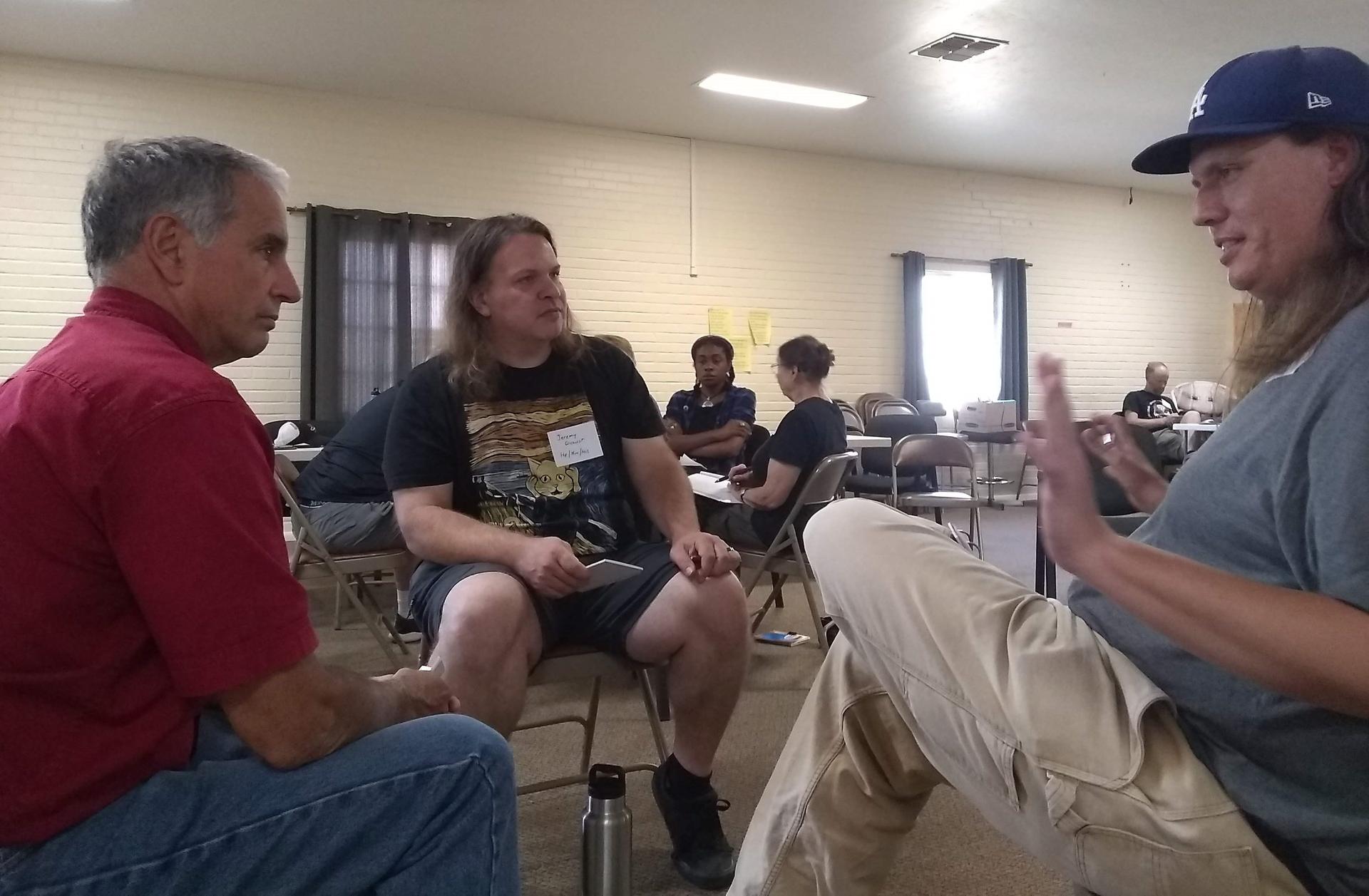
    Photos: (above) Steve Thomas, Jeremy Gilchrist, and Theo Kayser during small group discussions (photo taken by Deborah Yoder); (below) Flat Oak, Arizona (photo courtesy of Community Peacemaker Teams).

    Apache Stronghold is a group led by the San Carlos Apache and their allies. They are engaged in religious and legal efforts to defend their sacred site of Chi’chil Biłdagoteel (Oak Flat) from being destroyed by a multinational copper mining company.

    There were 14 total participants from across North America who followed the training curriculum provided by two CPT trainers, Julie Brown and Rachelle Friesen. During the training participants were vulnerable in their sharing as they talked and worked through various exercises focused on team building, exploring personal comfort zones, finding creative ways to break the pillars of White Supremacy, and recognizing privilege and leveraging it. It was a fulfilling experience to see so many dedicated individuals invested in this work.


  • Meaning

    Meaning

    Excerpted from Living That Matters: Honest Conversations for Men of Faith by Steve Thomas and Don Neufeld. Used by permission of Herald Press. All rights reserved.

    The beliefs, values, and behaviors we associate with being a man—collectively known as masculinity—vary widely. Sometimes they support us in developing healthy emotions and relationships, and other times they undermine us. Both parents and society influence boys according to which of the expressions of masculinity they throw their weight behind. The resulting messages greatly affect a boy’s understanding of what it means to live as a male. Male children and youth then accept these characteristics as their own in different ways and degrees, consciously or unconsciously. Living into these creates further meaning for them.

    In the past half century, what it means to be a male in North American society has undergone an overhaul. Old assumptions and beliefs about male dominance and privilege have been directly challenged by women seeking equity and by marginalized people who have exposed injustices perpetrated especially by white male power.

    Globalization has also brought considerable change through evolving social and economic trends. This change has blurred once-clear lines about masculine definition and behavior. One outcome for men is what might be called a ‘loss of job description.’

    Read the full reflection in Living that Matters: Honest Conversations for Men of Faith, which serves as a men’s guide for conversation and reflection and includes 70 topics, for use by individuals or groups. Order Living that matters: Honest Conversations for Men of Faith HERE.